Résumé du livre
A pioneer in his field, Peter Senge is the Senior Lecturer of Behavioral and Policy Sciences at MIT. In 1990, he published The Fifth Discipline, which sold more than a million copies and has been translated into over 20 languages.
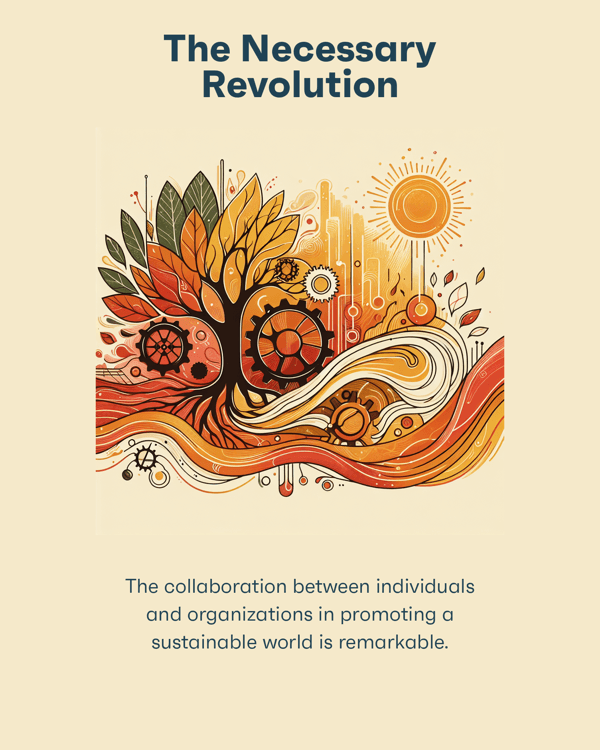
Businesses are integral to our lives, not only as employers but also as providers of essential goods and services. However, while legal frameworks like limited liability protect owners, they can also enable harmful practices, such as prioritizing profits over environmental health. Traditional success metrics like ROI fail to account for broader impacts, and corporate social responsibility (CSR), though promising, is often misused for short-term gains. Yet, examples like Deutsche Post DHL Group’s educational and medical initiatives show that meaningful change is possible when businesses embrace their societal role. As consumers, we wield significant power to influence industries, as seen in the push for healthier fast food options. Similarly, adopting plant-based diets benefits both personal health and the environment, illustrating the dual advantages of sustainable choices. Stories like Per Carstedt’s ethanol initiative in Sweden and Coca-Cola’s water conservation efforts with WWF demonstrate how determination and collaboration can drive impactful change. To join this revolution, a mindset shift is crucial—focusing on building solutions rather than opposing problems. Innovative ventures like "Original Unverpackt" exemplify this approach by promoting sustainability without outright rejection of existing practices. The urgency of climate change demands action at all levels—personal, political, and economic. Individuals can raise awareness, businesses can adopt CSR, and governments must enforce policies like the Kyoto Protocol to ensure progress. Together, these efforts can create a sustainable future for all.
Pour lire le reste du livre, téléchargez
Bitely







 9 min
9 min 5 Bite
 Aperçu
 5 Bites