Self-Growth
The Mind of the ArtistThe Mind of the Artist

The Mind of the Artist

user-icon

William Todd Schultz

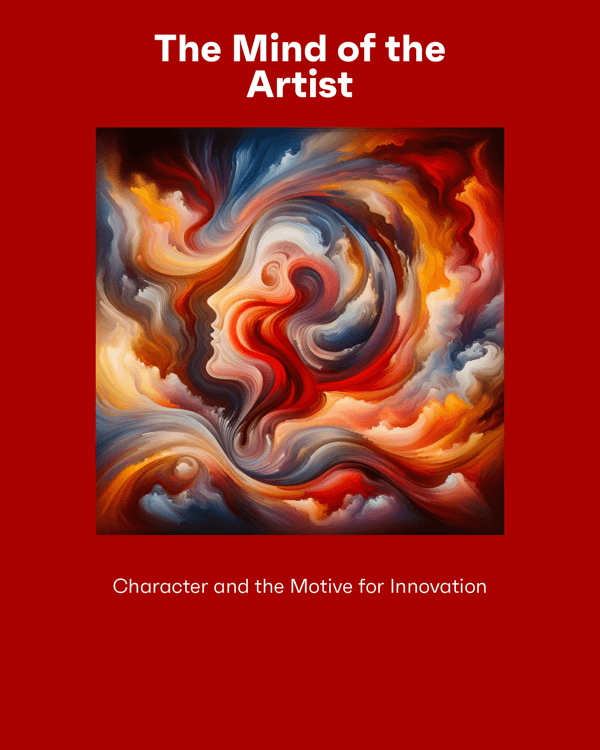
Personality is the foundation of creativity, with traits like openness, conscientiousness, agreeableness, neuroticism, and extraversion shaping artistic expression in unique ways. Among these, openness stands out as the driving force behind innovation, fostering curiosity, adaptability, and a love for novelty. While traits like low conscientiousness and low agreeableness often allow artists to thrive in chaos and maintain independence, neuroticism’s role is more nuanced, contributing to deep reflection and problem-solving rather than directly predicting creativity. Extraversion, on the other hand, shows an inconsistent link to artistic output, as many creatives lean toward introversion and solitude. Emotional experiences, particularly early loss, often leave lasting imprints on artists, influencing their work by transforming unresolved grief into creative expression. However, attempts to connect mental illness with artistic brilliance remain inconclusive, as such conditions are debilitating rather than beneficial. Instead, it is personality traits like openness that illuminate the complexities of the creative mind, offering a more accurate lens through which to understand artistic genius.

clock9 min
bite5 Bite
target Aperçu

De quoi s'agit-il ?

Exploring the intricate relationship between personality and creativity, this book delves into how core traits shape artistic expression. It examines the diverse personalities of iconic figures like Frida Kahlo, Kurt Cobain, and Amy Winehouse, uncovering the interplay of openness, neuroticism, and independence in their creative processes. From the influence of early loss to the myths surrounding the "tortured artist," the narrative challenges assumptions and highlights the complexities of the artistic mind. Through vivid examples and research, it reveals how individuality fuels innovation, offering a deeper understanding of the creative spirit.

Résumé du livre

William Todd Schultz is an American author, teacher, and personality psychologist who has published several books profiling famous artists and their creative drives, including Torment Saint about the musician Elliott Smith. The Mind of the Artist won him the Erikson Prize for Mental Health Media.

Personality is the foundation of creativity, with traits like openness, conscientiousness, agreeableness, neuroticism, and extraversion shaping artistic expression in unique ways. Among these, openness stands out as the driving force behind innovation, fostering curiosity, adaptability, and a love for novelty. While traits like low conscientiousness and low agreeableness often allow artists to thrive in chaos and maintain independence, neuroticism’s role is more nuanced, contributing to deep reflection and problem-solving rather than directly predicting creativity. Extraversion, on the other hand, shows an inconsistent link to artistic output, as many creatives lean toward introversion and solitude. Emotional experiences, particularly early loss, often leave lasting imprints on artists, influencing their work by transforming unresolved grief into creative expression. However, attempts to connect mental illness with artistic brilliance remain inconclusive, as such conditions are debilitating rather than beneficial. Instead, it is personality traits like openness that illuminate the complexities of the creative mind, offering a more accurate lens through which to understand artistic genius.

Pour lire le reste du livre, téléchargez Bitely

appstoregoogleplayapp gallery
Toutes les bouchées
bite5 Bites

Personality: The Hidden Blueprint of Creativity

1
logo

How Personality Shapes the Creative Mind

2
logo

Unlocking Creativity Through Openness

3
logo

How Loss Shapes the Creative Mind

4
logo

Personality Traits: The Hidden Drivers of Creativity

5
logo

Livres associés

mailbox-icon

Voulez-vous continuer à apprendre ?

Ne manquez pas les mises à jour de l'univers passionnant de Bitely !