
Biography & History
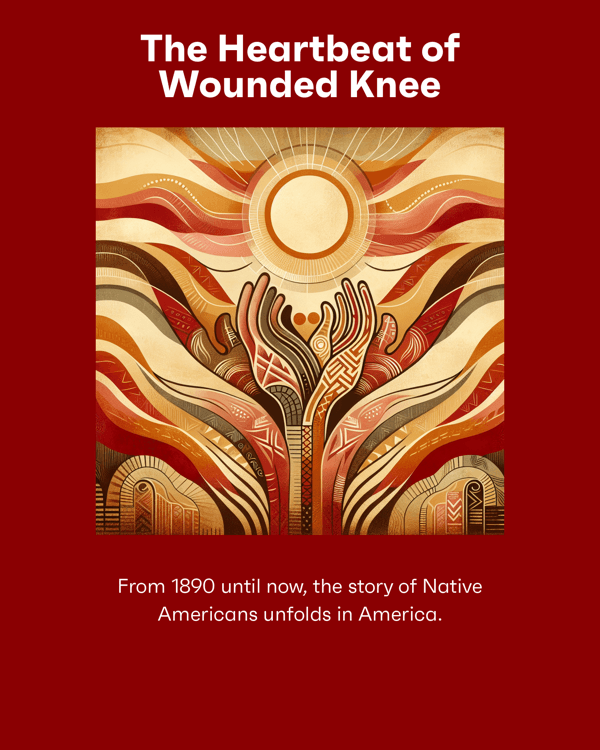
The Heartbeat of Wounded KneeThe Heartbeat of Wounded Knee

The Heartbeat of Wounded Knee

user-icon

David Treuer

The federal government’s policies toward Native Americans, from the forced displacement of tribes to the assimilationist boarding schools and the devastating allotment system under the Dawes Act, systematically dismantled Indigenous cultures, economies, and land ownership. These efforts led to widespread poverty, loss of tribal sovereignty, and cultural erosion, yet also inadvertently fostered a sense of shared identity among Native peoples. Despite enduring discrimination and systemic challenges, Native Americans have demonstrated remarkable resilience, from their military service in both World Wars to the rise of movements like AIM, which fought for justice and equality. In recent decades, initiatives such as tribal gaming and cultural revitalization efforts have empowered Native communities to reclaim their narratives and pursue economic and social renewal, setting the stage for ongoing struggles and triumphs in the modern era.

clock15 min
bite7 Bite
target Aperçu

De quoi s'agit-il ?

This book delves into the complex and often painful history of Native American communities, exploring themes of resilience, cultural survival, and systemic injustice. It examines pivotal events like forced land dispossession, the boarding school era, and the rise of activism through movements such as AIM, while also highlighting Native contributions to military service and modern successes in areas like food sovereignty and tribal gaming. Through a richly detailed narrative, it reveals the enduring strength of Indigenous peoples in reclaiming their heritage and shaping their future. This is a compelling journey through centuries of struggle, resistance, and renewal.

Résumé du livre

David Treuer, of the Ojibwe people, is an American author and academic. He holds a PhD in anthropology from the University of Michigan and is the author of several novels including Little (1995) and The Hiawatha (1999).

The federal government’s policies toward Native Americans, from the forced displacement of tribes to the assimilationist boarding schools and the devastating allotment system under the Dawes Act, systematically dismantled Indigenous cultures, economies, and land ownership. These efforts led to widespread poverty, loss of tribal sovereignty, and cultural erosion, yet also inadvertently fostered a sense of shared identity among Native peoples. Despite enduring discrimination and systemic challenges, Native Americans have demonstrated remarkable resilience, from their military service in both World Wars to the rise of movements like AIM, which fought for justice and equality. In recent decades, initiatives such as tribal gaming and cultural revitalization efforts have empowered Native communities to reclaim their narratives and pursue economic and social renewal, setting the stage for ongoing struggles and triumphs in the modern era.

Pour lire le reste du livre, téléchargez Bitely
appstoregoogleplayapp gallery
Toutes les bouchées
bite7 Bites

Legacy and Resilience: The Story of Wounded Knee

1
logo

Erasing Heritage: The Legacy of Native Boarding Schools

2
logo

Breaking Land: The Dawes Act's Lasting Impact

3
logo

Native Warriors: Defying Adversity Through Service

4
logo

Urban Struggles and the Rise of AIM

5
logo

Sovereignty and Fortune: The Rise of Tribal Gaming

6
logo

Reclaiming Heritage: Native Voices Thriving Today

7
logo

Livres associés

mailbox-icon

Voulez-vous continuer à apprendre ?

Ne manquez pas les mises à jour de l'univers passionnant de Bitely !