Résumé du livre
Byung-Chul Han is a renowned South Korean-born philosopher and cultural theorist currently teaching in Berlin. Known for his incisive critiques of contemporary culture and society, he has authored several influential works, including The Transparency Society and The Agony of Eros. His writings explore themes of technology, media, and the philosophical dimensions of modern life, making him a significant voice in contemporary philosophical discourse.
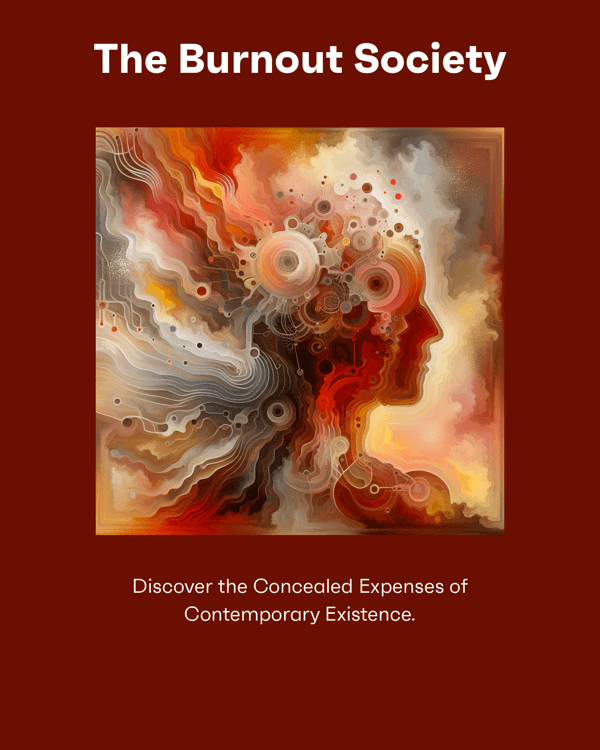
The Neuronal Age represents a pivotal shift from combating external threats, like pathogens, to addressing internal struggles, as seen in the rise of neuronal disorders such as depression, ADHD, and burnout. This transition reflects a broader societal movement toward interconnectedness and blurred boundaries, challenging traditional distinctions between health and illness, self and society. The relentless pursuit of success has fostered a culture of exhaustion, where transformative fatigue emerges as both a symptom of systemic strain and an opportunity for reflection and renewal. This exhaustion invites a reevaluation of success, advocating balance, rest, and contemplation alongside ambition, ultimately aiming for a more sustainable and compassionate society. Modern life’s constant demands have fragmented attention, replacing deep focus and creativity with multitasking, a survival mechanism that stifles profound reflection. Concepts like ennui and the contemplative life offer a counterbalance, encouraging moments of stillness to rediscover wonder and creativity. Meanwhile, active living, once celebrated as meaningful action, has been reduced to relentless labor, fueling hyperactivity and anxiety. Together, these shifts demand a reassessment of how we engage with life, urging a return to harmony and purpose.
Pour lire le reste du livre, téléchargez
Bitely







 8 min
8 min 4 Bite
 Aperçu
 4 Bites