Résumé du livre
Henry Louis Gates Jr. is a historian, literary critic, and filmmaker. He’s written over 20 books, including In Search of Our Roots, Faces of America, and The Trials of Phillis Wheatley. His filmography includes The African Americans, for which he earned an Emmy Award, a Peabody Award, and an NAACP Image Award. Gates is also the Director of the Hutchins Center for African American Research at Harvard University.
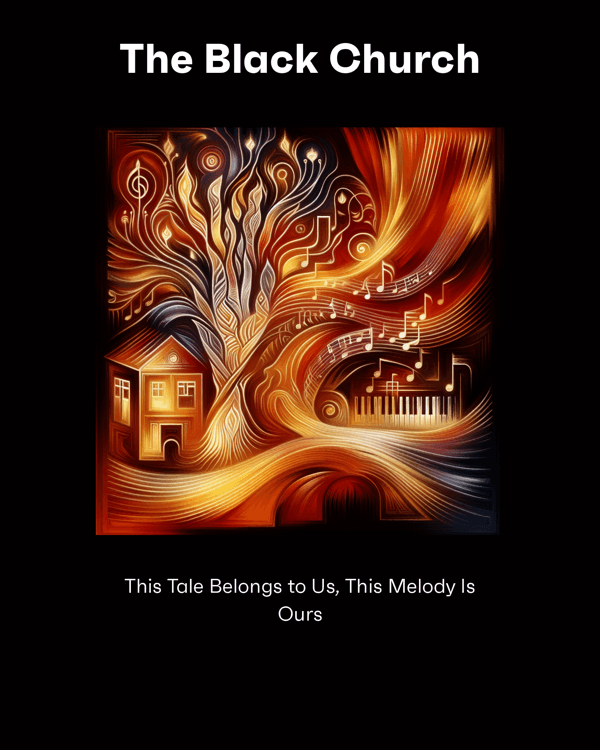
Anglican missionaries in the 1670s sought to convert enslaved Black people in colonies like South Carolina but faced resistance from enslavers, who feared Christianity might inspire rebellion and equality. To appease enslavers, missionaries promoted a version of Christianity that justified slavery, emphasizing obedience and racial hierarchy while suppressing messages of equality. Laws further restricted enslaved people's religious practices, yet they secretly worshipped, blending African traditions with Christianity. After emancipation, the Fifteenth Amendment empowered Black Americans politically, with the Black church becoming a hub for activism, leading to significant political representation despite violent backlash and Jim Crow laws. The National Baptist Convention, founded in 1895, addressed racial injustices while women like Nannie Helen Burroughs challenged sexism within the church, advocating for equality. The First and Second Great Awakenings democratized religion, inspiring many African Americans to convert and form Black denominations like the AME Church, which emerged from discrimination in white churches. Spirituals, rooted in African traditions, evolved into gospel music, which later influenced secular genres and political movements. The Great Migration brought these traditions to northern cities, where gospel music continued to develop, blending sacred and secular elements. During the Civil Rights Movement, gospel music and the Black church played pivotal roles in activism. In 2020, Black churches responded to the COVID-19 pandemic and racial injustice, offering community support despite financial challenges. The Holiness movement of the late 1800s, emphasizing spiritual baptism and ecstatic worship, laid the groundwork for the Pentecostal church, which gained prominence after the Azusa Street Revival in 1906. The late 1960s saw the rise of Black theology, introduced by James Hal Cone, and womanist theology, addressing racial pride, gender inequality, and sexual orientation within the church. The HIV/AIDS epidemic further tested the church's inclusivity, with leaders like Bishop Yvette Flunder fostering acceptance. Historically, Black churches served as political hubs, influencing emancipation and advocating for land ownership post-Civil War. Despite setbacks, they prioritized education, founding schools that evolved into Historically Black Colleges and Universities, solidifying their role in empowering Black communities.
Pour lire le reste du livre, téléchargez
Bitely







 16 min
 8 Bite
 Aperçu
 8 Bites