New Sales. Simplified.
Mike Weinberg
New Sales. Simplified. (2012) is a manual for individuals responsible for discovering fresh clientele. It examines the basics and presents practical suggestions and strategies for the ambitious newcomer in sales.
Ne manquez pas les mises à jour de l'univers passionnant de Bitely !


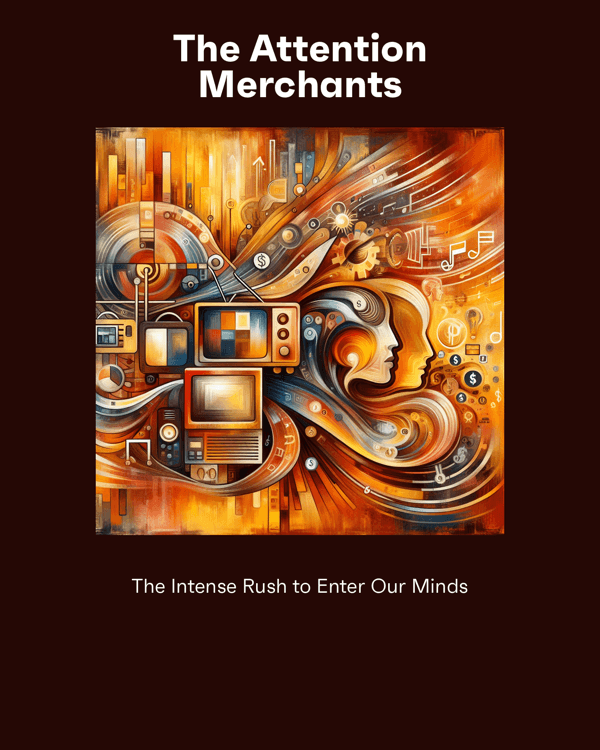
The evolution of advertising has been shaped by technological and cultural shifts, from the advent of television in the 1950s to the transformative impact of the internet in the 1970s. Email, introduced in 1971, revolutionized communication and became a cornerstone of digital advertising, leveraging psychological principles like operant conditioning to engage users. Earlier, the post-World War I era marked the rise of scientific advertising, with strategies like demand engineering and branding redefining consumer behavior, as seen in campaigns for Listerine and Cadillac. Newspapers, too, underwent a transformation in 1833 when Benjamin Day’s New York Sun pioneered affordable pricing and ad-driven revenue models. In the late 20th century, Google revolutionized online advertising with its Adwords system, ensuring relevance and user-centricity. Celebrity culture, exemplified by the success of *People* magazine, has long captivated audiences, drawing parallels to traditional forms of worship. Meanwhile, the early 20th century saw innovations in patent medicine advertising and wartime propaganda, showcasing the power of persuasive techniques. The rise of radio in the 1920s brought advertising into homes, with campaigns like Pepsodent’s revitalizing brands, though television’s dominance in the 1950s ultimately redefined the advertising landscape with its unparalleled reach and engagement.
The evolution of advertising is a fascinating journey through history, shaped by groundbreaking innovations and cultural shifts. From the rise of scientific advertising in the early 1900s to the transformative power of email and the internet in the 1970s, each era introduced new strategies to captivate audiences. This book explores pivotal moments, such as the branding revolution of the 1920s, the emergence of radio and television as advertising platforms, and the modern dominance of Google’s targeted ad systems. Through vivid examples and engaging insights, it reveals how advertising has continuously adapted to influence consumer behavior and redefine communication.
Tim Wu is a policy advocate, law professor at Columbia Law School and frequent contributor to NewYorker.com. He’s the author of The Master Switch and head of the Poliak Center at the Columbia University School of Journalism in New York.
The evolution of advertising has been shaped by technological and cultural shifts, from the advent of television in the 1950s to the transformative impact of the internet in the 1970s. Email, introduced in 1971, revolutionized communication and became a cornerstone of digital advertising, leveraging psychological principles like operant conditioning to engage users. Earlier, the post-World War I era marked the rise of scientific advertising, with strategies like demand engineering and branding redefining consumer behavior, as seen in campaigns for Listerine and Cadillac. Newspapers, too, underwent a transformation in 1833 when Benjamin Day’s New York Sun pioneered affordable pricing and ad-driven revenue models. In the late 20th century, Google revolutionized online advertising with its Adwords system, ensuring relevance and user-centricity. Celebrity culture, exemplified by the success of *People* magazine, has long captivated audiences, drawing parallels to traditional forms of worship. Meanwhile, the early 20th century saw innovations in patent medicine advertising and wartime propaganda, showcasing the power of persuasive techniques. The rise of radio in the 1920s brought advertising into homes, with campaigns like Pepsodent’s revitalizing brands, though television’s dominance in the 1950s ultimately redefined the advertising landscape with its unparalleled reach and engagement.
The Penny Paper That Changed Advertising
Revolutionizing Persuasion: From Patent Ads to Propaganda
Crafting Desire: The Science Behind Advertising
Radio to TV: Advertising’s Home Invasion
How the Internet and Email Transformed Advertising
Google’s Rise: Redefining Search and Ads
The Magnetic Power of Celebrity Fascination