
Technology & Future
The Alchemy of UsThe Alchemy of Us

The Alchemy of Us

user-icon

Ainissa Ramirez

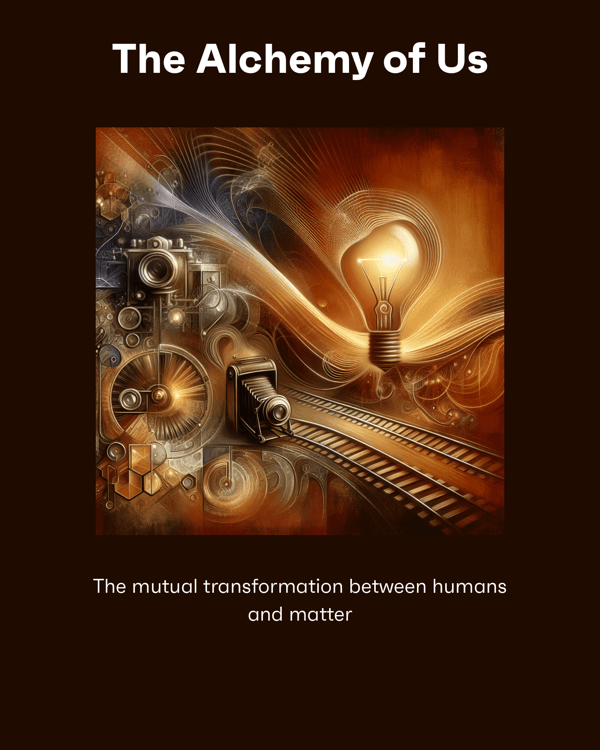
Samuel F.B. Morse’s grief over his wife’s death spurred his invention of the telegraph, revolutionizing communication and shaping language. Frederick Douglass embraced photography to challenge racial stereotypes, though biases in film technology persisted. Activists like Caroline Hunter exposed Polaroid’s role in apartheid, highlighting how tools reflect societal values. Henry Bessemer’s steelmaking innovation enabled durable railroads, transforming transportation and commerce. Elizabeth Belville’s timekeeping service underscored society’s growing obsession with precision. Thomas Edison’s light bulb and phonograph reshaped daily life and information sharing, while advancements in glassmaking and data storage fueled scientific breakthroughs and modern computing. Yet, these innovations often carried unintended consequences, from health risks to ethical dilemmas, illustrating the complex interplay between technology and humanity.

clock12 min
bite8 Bite
target Aperçu

De quoi s'agit-il ?

This book delves into the fascinating interplay between technological innovation and societal transformation, exploring how groundbreaking inventions—from the telegraph to the phonograph—reshaped communication, industry, and culture. Through vivid storytelling, it examines the visionaries behind these advancements, the challenges they faced, and the unintended consequences of their creations. Rich with historical insights, it reveals how tools like photography, glassmaking, and data storage not only revolutionized human understanding but also exposed deep societal biases and complexities. Engaging and thought-provoking, this narrative highlights the profound ways technology has shaped—and continues to shape—the world we live in.

Résumé du livre

Ainissa Ramirez is a materials scientist and science communicator. She has written forTime, Scientific American, the American Scientist, and Forbes. She makes regular appearances on PBS's SciTech Now.

Samuel F.B. Morse’s grief over his wife’s death spurred his invention of the telegraph, revolutionizing communication and shaping language. Frederick Douglass embraced photography to challenge racial stereotypes, though biases in film technology persisted. Activists like Caroline Hunter exposed Polaroid’s role in apartheid, highlighting how tools reflect societal values. Henry Bessemer’s steelmaking innovation enabled durable railroads, transforming transportation and commerce. Elizabeth Belville’s timekeeping service underscored society’s growing obsession with precision. Thomas Edison’s light bulb and phonograph reshaped daily life and information sharing, while advancements in glassmaking and data storage fueled scientific breakthroughs and modern computing. Yet, these innovations often carried unintended consequences, from health risks to ethical dilemmas, illustrating the complex interplay between technology and humanity.

Pour lire le reste du livre, téléchargez Bitely
appstoregoogleplayapp gallery
Toutes les bouchées
bite8 Bites

Keeping Time: The Legacy of Greenwich's Time Lady

1
logo

Steel, Railroads, and the Transformation of America

2
logo

Morse’s Telegraph: Revolutionizing Communication Forever

3
logo

Photography’s Power: Progress, Prejudice, and Protest

4
logo

Illuminating Progress: The Dual Impact of Electric Light

5
logo

From Phonographs to the Cloud: Sound's Digital Revolution

6
logo

Revolutionizing Science: The Glass That Changed Everything

7
logo

Tools That Shape Minds and Evolution

8
logo

Livres associés

mailbox-icon

Voulez-vous continuer à apprendre ?

Ne manquez pas les mises à jour de l'univers passionnant de Bitely !