Résumé du livre
A prominent cultural figure and political thinker, Noam Chomsky is a world-renowned American linguist who is also Professor Emeritus at the Massachusetts Institute of Technology. He has authored over 100 books, and was voted the “world’s top public intellectual” in a 2005 poll.
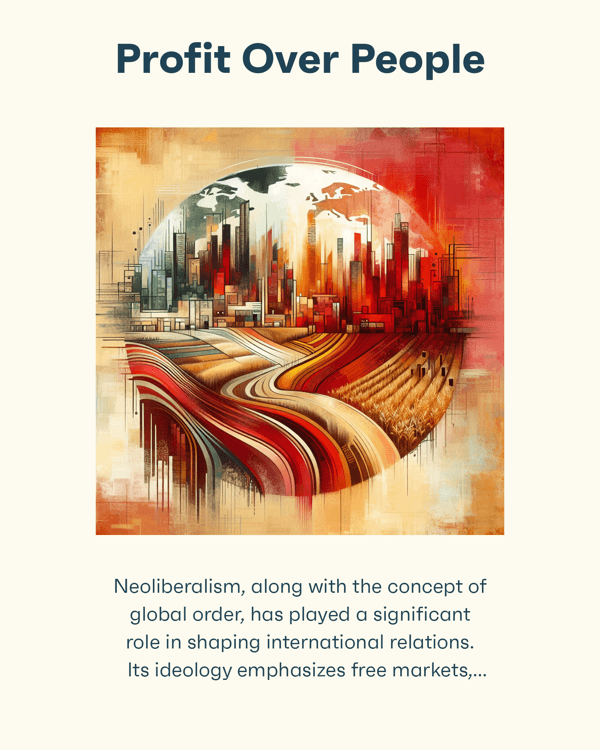
Trade agreements, often celebrated as transformative, can have far-reaching consequences that diverge from their promises. NAFTA, launched in 1994 to boost economic growth among the US, Mexico, and Canada, instead devastated Mexican farmers, deepened rural poverty, and heightened malnutrition, illustrating how global systems often favor the wealthy over the majority. Resistance, such as the Zapatista uprising in Chiapas, highlighted the adverse effects of such policies while advocating for indigenous rights and autonomy, inspiring global movements. Meanwhile, the US shifted its influence from the UN to the WTO, leveraging trade policies to promote free-market principles, often at the expense of local industries and national sovereignty. This selective approach to international cooperation, seen in actions like the Nicaragua conflict and the Cuban embargo, underscores a pattern of prioritizing power over global consensus. Neoliberalism, a dominant ideology advocating minimal government intervention and market-driven policies, has similarly shaped global systems, often benefiting powerful nations like the US and Britain while undermining the development of others, as seen in Latin America and India. These patterns reveal a recurring prioritization of profit and power over collective welfare, urging critical reflection on such doctrines.
Pour lire le reste du livre, téléchargez
Bitely







 7 min
7 min 4 Bite
 Aperçu
 4 Bites