Self-Growth
ProcrastinationProcrastination

Procrastination

user-icon

Jane B. Burka & Lenora M. Yuen

Procrastination is influenced by more than just inherent traits; upbringing, relationships, and personal experiences shape how and why people delay tasks. Avoiding uncomfortable emotions, such as fear or vulnerability, often perpetuates the habit, limiting personal growth and opportunities. Psychological factors like ADHD, depression, and low self-esteem, along with stress and poor sleep, further exacerbate procrastination, but addressing these issues can lead to improvement. Balancing objective and subjective perceptions of time is crucial, as misalignment often frustrates both procrastinators and those around them. Overcoming procrastination requires self-awareness, patience, and small, consistent steps toward change. Recognizing that perfection is unattainable and failure is a natural part of growth helps break the cycle. Procrastination does not reflect intelligence but rather a habit that can be unlearned through mindfulness, therapy, and celebrating progress, no matter how small.

clock7 min
bite7 Bite
target Aperçu

De quoi s'agit-il ?

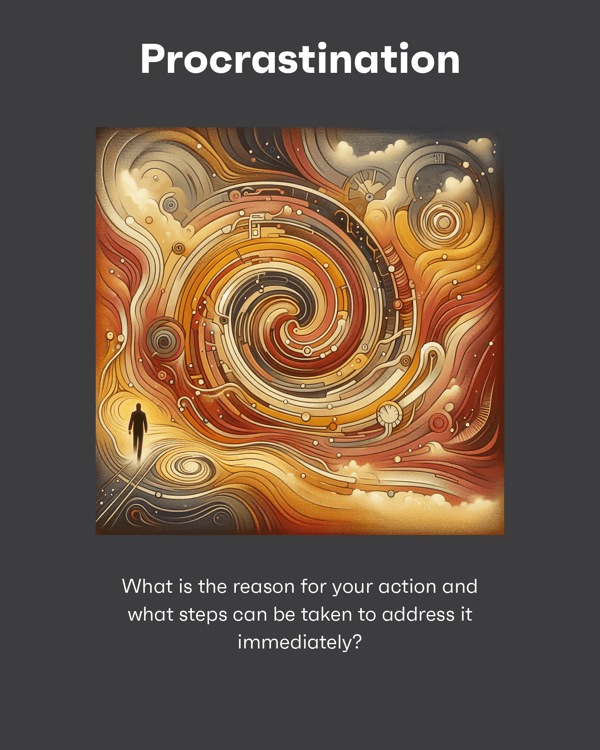
Procrastination is a complex behavior influenced by more than just personality—it’s shaped by upbringing, relationships, and emotional patterns. This book delves into the psychological, emotional, and even cultural factors that drive procrastination, exploring how fear, self-doubt, and avoidance perpetuate the habit. Through practical insights and strategies, it emphasizes the importance of self-awareness, resilience, and small, actionable steps to break free from procrastination’s grip. With a focus on personal growth and understanding, it offers readers the tools to confront their habits and embrace meaningful change.

Résumé du livre

Jane B. Burka, PhD, is a psychologist and psychoanalyst who specializes in procrastination, work inhibition, creative blocks, mood disorders, relationship issues, grief, trauma, and life transitions. She runs a private practice and is also on the faculty at the Psychoanalytic Institute of Northern California.

Procrastination is influenced by more than just inherent traits; upbringing, relationships, and personal experiences shape how and why people delay tasks. Avoiding uncomfortable emotions, such as fear or vulnerability, often perpetuates the habit, limiting personal growth and opportunities. Psychological factors like ADHD, depression, and low self-esteem, along with stress and poor sleep, further exacerbate procrastination, but addressing these issues can lead to improvement. Balancing objective and subjective perceptions of time is crucial, as misalignment often frustrates both procrastinators and those around them. Overcoming procrastination requires self-awareness, patience, and small, consistent steps toward change. Recognizing that perfection is unattainable and failure is a natural part of growth helps break the cycle. Procrastination does not reflect intelligence but rather a habit that can be unlearned through mindfulness, therapy, and celebrating progress, no matter how small.

Pour lire le reste du livre, téléchargez Bitely

appstoregoogleplayapp gallery
Toutes les bouchées
bite7 Bites

Breaking the Cycle of Procrastination

1
logo

Breaking the Cycle: Overcoming Fear-Driven Procrastination

2
logo

Celebrate Progress: Overcoming Self-Doubt and Procrastination

3
logo

Overcoming Procrastination: Confronting Fears, Embracing Growth

4
logo

Mastering Time: Overcoming Procrastination’s Grip

5
logo

Breaking the Cycle of Procrastination

6
logo

Breaking the Cycle: Overcoming Procrastination

7
logo

Livres associés

mailbox-icon

Voulez-vous continuer à apprendre ?

Ne manquez pas les mises à jour de l'univers passionnant de Bitely !