Résumé du livre
Neel Doshi and Lindsay McGregor have more than 20 years of experience helping companies develop high-performance cultures. They are also the co-founders of Vega Factor, a company that helps firms create high-performing, adaptive cultures.
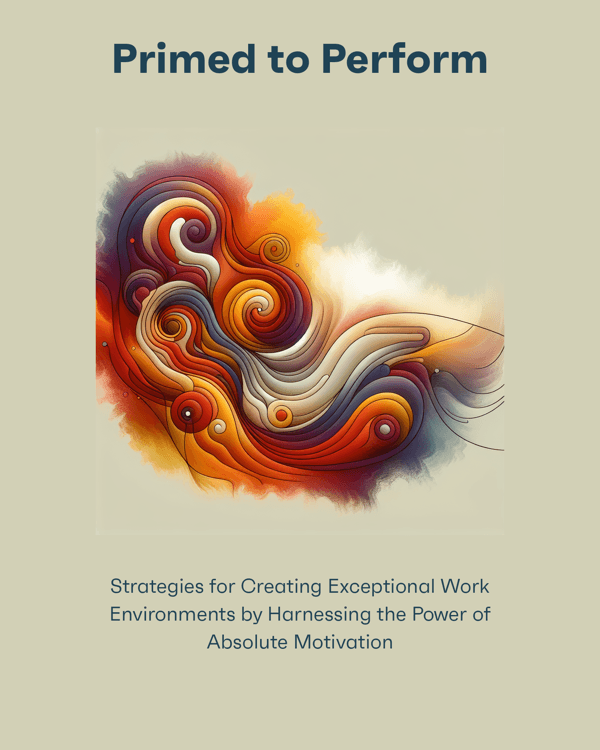
Understanding motivation reveals that not all incentives improve performance; indirect motivators like emotional pressure, economic pressure, and inertia can harm productivity. Emotional pressure stems from guilt or fear of judgment, economic pressure revolves around rewards or penalties, and inertia involves continuing tasks out of habit, often without purpose. These indirect drivers can undermine performance, with inertia being the most damaging. In contrast, direct motivators—play, purpose, and potential—enhance performance and adaptability. Play involves enjoyment in the activity itself, purpose connects actions to meaningful outcomes, and potential ties efforts to future aspirations. Adaptive performance, the ability to pivot and seize opportunities, is increasingly vital in today’s business landscape. Encouraging creativity and problem-solving fosters this adaptability, as demonstrated in studies showing that intrinsic motivators lead to more innovative results. Tools like Total Motivation (ToMo) help assess and improve organizational culture by focusing on direct motivators while minimizing indirect ones. Leaders play a crucial role by inspiring curiosity, emphasizing shared values, aligning work with personal goals, and setting flexible objectives. By cultivating a culture rooted in play, purpose, and potential, companies can boost adaptability, employee performance, and overall success.
Pour lire le reste du livre, téléchargez
Bitely







 10 min
 6 Bite
 Aperçu
 6 Bites