Psychology
MindwiseMindwise

Mindwise

user-icon

Nicholas Epley

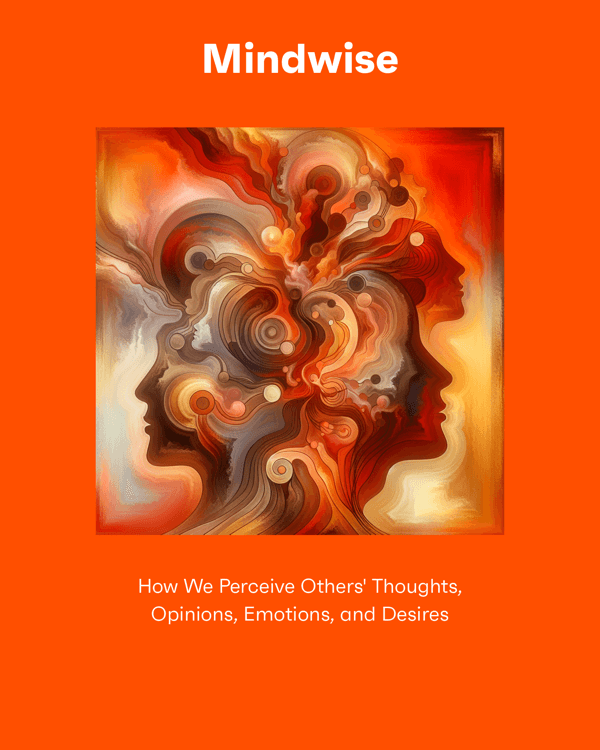
Stereotypes shape how we perceive others, often distorting reality by emphasizing differences rather than similarities. They can mislead us into false assumptions, such as exaggerated gender distinctions, and even influence health and longevity, as seen in studies on aging stereotypes. Our inability to accurately interpret others’ thoughts, even those close to us, stems from projecting our own perspectives and relying on flawed assumptions. Misunderstandings arise when we fail to ask clarifying questions or misread emotional cues, as body language often conveys less than we think. Similarly, we struggle to grasp our own subconscious processes, constructing narratives to rationalize behaviors we don’t fully understand. This self-centered perspective also skews how we interpret shared experiences, like conflicts or embarrassing moments, often exaggerating their significance in others’ minds. Recognizing these limitations is the first step toward improving our understanding of others, which the following sections will explore further.

clock13 min
bite7 Bite
target Aperçu

De quoi s'agit-il ?

This book delves into the fascinating complexities of human perception, exploring why we misjudge others and even ourselves. It examines how stereotypes shape our understanding, why we struggle to interpret emotions, and the subconscious processes that influence our thoughts and actions. Through engaging studies and relatable scenarios, it reveals the challenges of truly understanding others while offering insights to improve connection and empathy.

Résumé du livre

Nicholas Epley is a professor of behavioral science at the University of Chicago Booth School of Business. In 2001, he earned his doctorate in psychology from Cornell University, and later became an assistant professor at Harvard University. His research includes studying intuitive human judgment and social cognition.

Stereotypes shape how we perceive others, often distorting reality by emphasizing differences rather than similarities. They can mislead us into false assumptions, such as exaggerated gender distinctions, and even influence health and longevity, as seen in studies on aging stereotypes. Our inability to accurately interpret others’ thoughts, even those close to us, stems from projecting our own perspectives and relying on flawed assumptions. Misunderstandings arise when we fail to ask clarifying questions or misread emotional cues, as body language often conveys less than we think. Similarly, we struggle to grasp our own subconscious processes, constructing narratives to rationalize behaviors we don’t fully understand. This self-centered perspective also skews how we interpret shared experiences, like conflicts or embarrassing moments, often exaggerating their significance in others’ minds. Recognizing these limitations is the first step toward improving our understanding of others, which the following sections will explore further.

Pour lire le reste du livre, téléchargez Bitely

appstoregoogleplayapp gallery
Toutes les bouchées
bite7 Bites

Decoding Minds: Why We Misread Thoughts

1
logo

Decoding Minds: Why We Misread Others

2
logo

Why We Humanize Objects but Dehumanize People

3
logo

Seeing Through Others' Eyes

4
logo

Breaking Stereotypes: Understanding Minds and Misjudgments

5
logo

Why Listening Reveals Emotions Better Than Looks

6
logo

Mastering the Art of Thoughtful Gifting

7
logo

Livres associés

mailbox-icon

Voulez-vous continuer à apprendre ?

Ne manquez pas les mises à jour de l'univers passionnant de Bitely !