Résumé du livre
Josef Pieper (1904-1997) was a German philosopher who studied the works of Aquinas and Plato. He was also a professor of philosophical anthropology at the University of Münster.
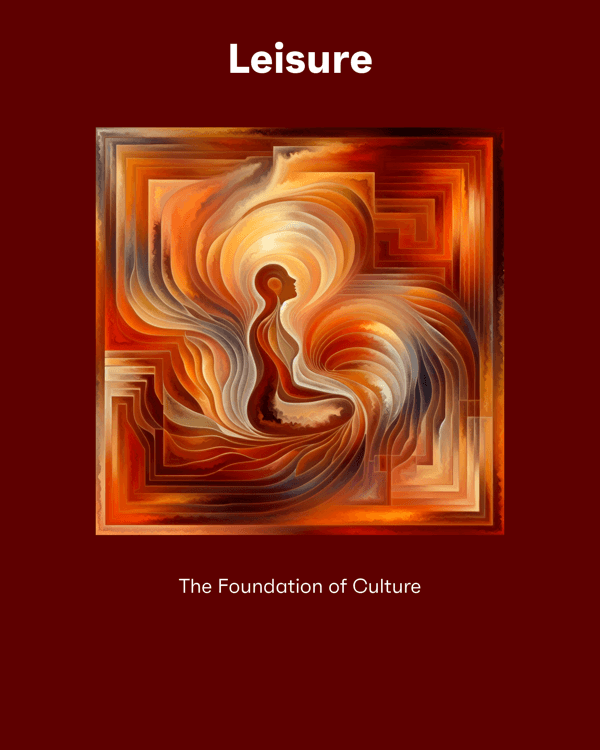
As a society, we have lost the essence of true leisure, consumed by the demands of relentless work. The concept of "worker" unites intellectuals and laborers, yet redefining it requires liberating all from perpetual toil and ensuring equal access to benefits like financial security and free time. Ancient thinkers distinguished between contemplation, a passive intellectual engagement, and observation, an active process of analysis, viewing the former as leisure rather than work. Modern philosophers, like Kant, redefined intellectual activity as labor, contributing to the rise of "total work," where productivity dominates life. Historically, leisure was sacred, tied to worship and personal enrichment, but today it has been reduced to recovery for more work. Ancient Greeks valued leisure as the centerpiece of life, associating it with learning and fulfillment, while work was merely a means to an end. By the 20th century, this balance shifted, with work becoming central to existence, as captured by Max Weber’s assertion that "one lives to work." To reclaim leisure, we must challenge the modern glorification of relentless effort and recognize leisure as a vital state of inner peace that complements, rather than opposes, work. The next section will delve into how ancient and modern views on intellect shape our understanding of work and leisure.
Pour lire le reste du livre, téléchargez
Bitely







 6 min
6 min 5 Bite
 Aperçu
 5 Bites