
Self-Growth
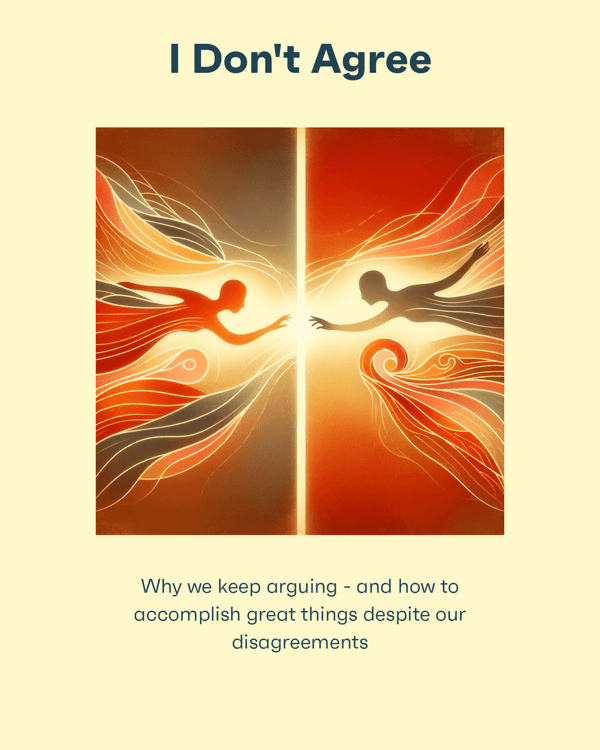
I Don't AgreeI Don't Agree

I Don't Agree

user-icon

Michael Brown

Entrenched conflicts, like political divides or bitter divorces, often stem from minor disagreements that escalate into adversarial standoffs fueled by confirmation bias and unconscious prejudices. This "hostility gap" impairs rational dialogue, as individuals dismiss opposing views and cling to their own. UCLA’s Corinne Bendersky suggests bridging this divide through status affirmation—acknowledging the other person’s value or expertise to foster constructive conversations. High-stakes scenarios, such as hostage negotiations, further illustrate the power of refined communication skills. Techniques like active listening, mirroring emotions, and exercising patience build trust and rapport, offering valuable lessons for resolving conflicts in both personal and professional settings.

clock14 min
bite9 Bite
target Aperçu

De quoi s'agit-il ?

Conflicts, whether in politics, relationships, or professional settings, often escalate when minor disagreements are left unresolved, creating what is known as the hostility gap. This book explores the psychological and social dynamics that fuel such divides, from unconscious biases to confirmation bias, and offers actionable strategies to bridge them. Drawing on insights from fields as diverse as corporate leadership, cross-cultural communication, and even hostage negotiation, it reveals how empathy, active listening, and intentional collaboration can transform adversarial interactions into productive partnerships. Engaging and thought-provoking, it provides readers with tools to navigate conflict and foster meaningful connections in an increasingly polarized world.

Résumé du livre

Michael Brown is the founder and managing director of an internationally renowned marketing organization. He’s also a social enterprise pioneer, helping to create the first mental health drop-in center inside a soup kitchen. Brown is a sought-after consultant on how to improve organizational cultures and create thriving collaborations.

Entrenched conflicts, like political divides or bitter divorces, often stem from minor disagreements that escalate into adversarial standoffs fueled by confirmation bias and unconscious prejudices. This "hostility gap" impairs rational dialogue, as individuals dismiss opposing views and cling to their own. UCLA’s Corinne Bendersky suggests bridging this divide through status affirmation—acknowledging the other person’s value or expertise to foster constructive conversations. High-stakes scenarios, such as hostage negotiations, further illustrate the power of refined communication skills. Techniques like active listening, mirroring emotions, and exercising patience build trust and rapport, offering valuable lessons for resolving conflicts in both personal and professional settings.

Pour lire le reste du livre, téléchargez Bitely
appstoregoogleplayapp gallery
Toutes les bouchées
bite9 Bites

Mastering Conflict: Lessons from Childhood Disputes

1
logo

Thriving Through Teamwork: Lessons from Nature

2
logo

Mastering Collaboration Through Self-Awareness

3
logo

Harnessing Authentic Pride for Team Success

4
logo

Breaking Barriers: Women’s Leadership Drives Success

5
logo

Mastering Body Language for Meaningful Connections

6
logo

Bridging Cultures: Mastering Communication Across Differences

7
logo

Bridging Divides: Closing the Hostility Gap

8
logo

Mastering High-Stakes Communication Strategies

9
logo

Livres associés

mailbox-icon

Voulez-vous continuer à apprendre ?

Ne manquez pas les mises à jour de l'univers passionnant de Bitely !