
Self-Growth
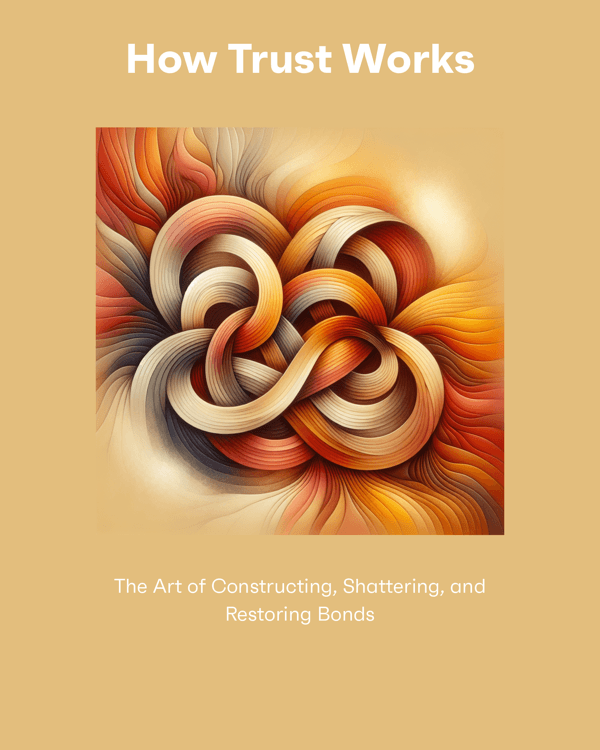
How Trust WorksHow Trust Works

How Trust Works

user-icon

Peter H. Kim

The events in Charlottesville in August 2017 highlighted the profound influence of group dynamics on trust and conflict, revealing how biases, power dynamics, and in-group preferences complicate trust repair across societal divides. Trust, more easily built within groups, becomes fragile between them, with breaches often shaped by perceptions of intent and power. Historical and global examples, from transitional justice efforts like South Africa’s TRC and Rwanda’s Gacaca courts to corporate crises and personal betrayals, illustrate the challenges of addressing trust violations. Effective apologies, shaped by their components and the nature of the violation, play a critical role in trust restoration but are influenced by subjective perceptions of intent. The psychological and societal impacts of trust breaches, such as those seen in Ava’s story, underscore the enduring scars they leave and the complexity of rebuilding trust. Ultimately, fostering understanding, embracing diversity, and navigating biases are essential for repairing trust and promoting cohesion in divided societies.

clock10 min
bite5 Bite
target Aperçu

De quoi s'agit-il ?

The book delves into the intricate dynamics of trust, exploring how biases, group affiliations, and societal divides shape our responses to trust breaches. Through historical events, personal stories, and psychological insights, it examines the challenges of rebuilding trust in the aftermath of conflict, trauma, and betrayal. By analyzing transitional justice, the complexity of apologies, and the ripple effects of trust violations, the narrative offers a profound understanding of the human capacity for reconciliation and healing. This compelling exploration underscores the importance of empathy, diversity, and open dialogue in fostering societal cohesion and personal growth.

Résumé du livre

Dr. Peter H. Kim, known as one of the world's leading experts in trust repair, has dedicated over two decades to research in this field. He is recognized for his authoritative insights into the dynamics of trust in relationships and communities.

The events in Charlottesville in August 2017 highlighted the profound influence of group dynamics on trust and conflict, revealing how biases, power dynamics, and in-group preferences complicate trust repair across societal divides. Trust, more easily built within groups, becomes fragile between them, with breaches often shaped by perceptions of intent and power. Historical and global examples, from transitional justice efforts like South Africa’s TRC and Rwanda’s Gacaca courts to corporate crises and personal betrayals, illustrate the challenges of addressing trust violations. Effective apologies, shaped by their components and the nature of the violation, play a critical role in trust restoration but are influenced by subjective perceptions of intent. The psychological and societal impacts of trust breaches, such as those seen in Ava’s story, underscore the enduring scars they leave and the complexity of rebuilding trust. Ultimately, fostering understanding, embracing diversity, and navigating biases are essential for repairing trust and promoting cohesion in divided societies.

Pour lire le reste du livre, téléchargez Bitely
appstoregoogleplayapp gallery
Toutes les bouchées
bite5 Bites

Unveiling the Dynamics of Instant Trust

1
logo

Rebuilding Trust: Navigating the Ripple Effects

2
logo

Rebuilding Trust: The Psychology of Apologies

3
logo

Rebuilding Trust in a Divided World

4
logo

Rebuilding Trust: Paths to Justice and Healing

5
logo

Livres associés

mailbox-icon

Voulez-vous continuer à apprendre ?

Ne manquez pas les mises à jour de l'univers passionnant de Bitely !