Résumé du livre
Elizabeth Dunn is an associate professor of psychology at the University of British Columbia in Vancouver. Her work has been featured in top academic journals and hundreds of media outlets worldwide.
Londoners rarely visit Big Ben, illustrating how easily accessible things are often undervalued—a principle that extends to routines like daily coffee, which can lose its charm when overindulged. Transforming habits into occasional indulgences, such as savoring a cappuccino instead of multiple daily cups, can heighten enjoyment. Focusing on unique details, like the coffee’s origin, or breaking treats into smaller portions also enhances satisfaction, as research shows people prefer multiple smaller pleasures over one large one. Businesses, like spas offering shorter, pricier sessions, capitalize on this preference. Applying these strategies to daily life, such as reallocating small portions of your budget toward joy-inducing activities or saving for financial stability, can improve happiness. Spending on others, a deeply fulfilling act evident even in young children, generates more joy than self-spending, as seen in examples like Bill Gates and Warren Buffett. Giving strengthens bonds, boosts workplace motivation, and creates lasting satisfaction. Money, often misunderstood as inherently negative, can save time and enhance happiness when used wisely, such as outsourcing chores or investing in time-saving tools. However, wealth alone doesn’t guarantee happiness; its impact depends on how it’s spent. Experiences, like concerts or meals, bring lasting joy through memories and connections, far outweighing material possessions. Even modest investments in experiences can provide enduring happiness, proving that thoughtful spending is key to maximizing well-being.
Pour lire le reste du livre, téléchargez
Bitely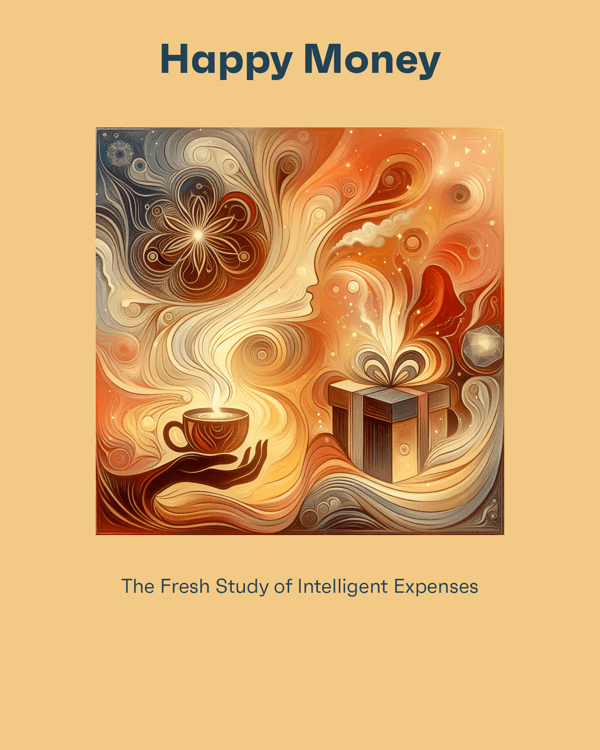

 12 min
 7 Bite
 Aperçu


 7 Bites