Résumé du livre
Charles Montgomery is an acclaimed journalist, specializing in urban engagement. In 2005, his book The Shark God won the Charles Taylor Prize.
Urban environments flourish when natural elements are thoughtfully integrated, even in small spaces, as studies reveal their profound impact on emotional well-being and social connections. Historically, urban planning evolved from overcrowded, unsanitary cities of the 19th century to sprawling suburbs, which initially promised healthier living but now often lead to dissatisfaction due to isolation and long commutes. Research underscores the importance of interpersonal relationships and the drawbacks of excessive commuting, highlighting the need for cities to balance density and privacy. Effective urban planning can foster happiness by creating inviting public spaces, reducing traffic, and encouraging walking or cycling, as seen in Copenhagen’s car-free zones and Paris’s Vélib’ bike-sharing program. However, planners must avoid shortsighted decisions, such as Atlanta’s road expansion or Brasília’s overly structured design, which led to unintended consequences. Bogotá’s transformative initiatives under Enrique Peñalosa demonstrate how prioritizing equitable public spaces and sustainable transportation can significantly enhance urban life, offering a model for cities worldwide to follow.
Pour lire le reste du livre, téléchargez
Bitely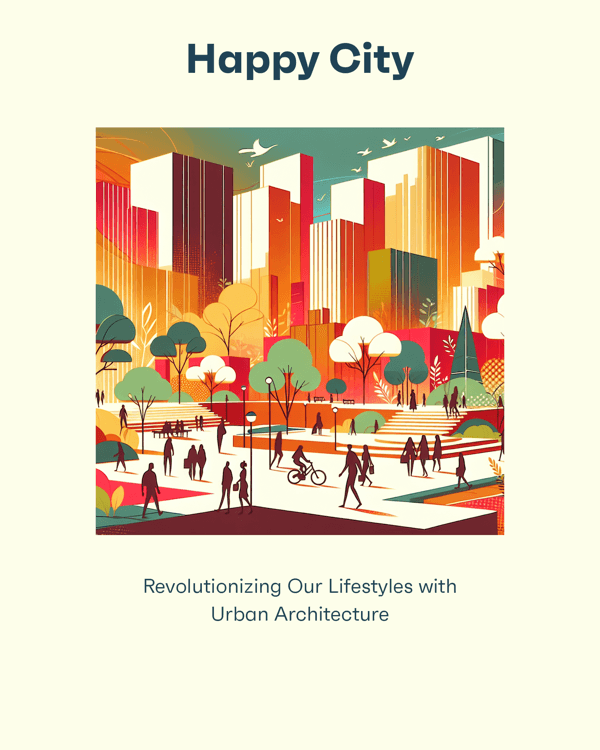

 11 min
 7 Bite
 Aperçu


 7 Bites