Résumé du livre
A prominent cultural figure and political thinker, Noam Chomsky is a world-renowned American linguist who is also Professor Emeritus at the Massachusetts Institute of Technology. He has authored over 100 books, and was voted the “world’s top public intellectual” in a 2005 poll.
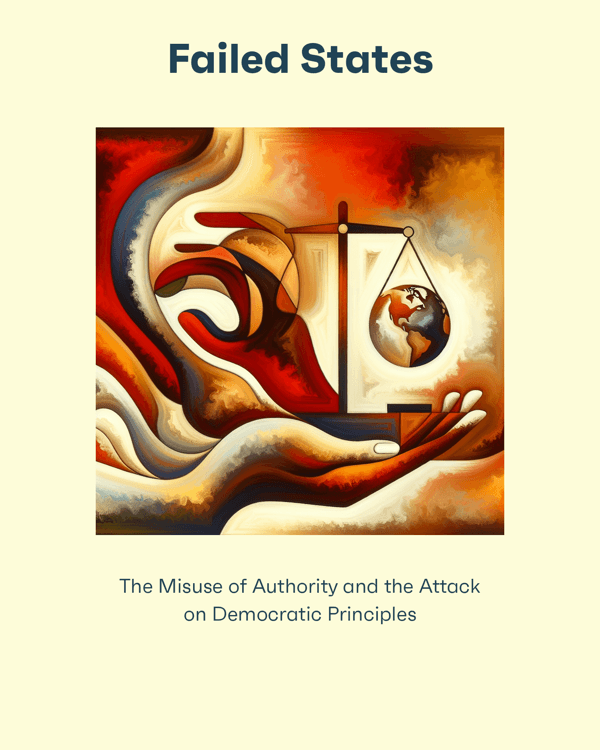
The United Nations is often idealized as a democratic institution where all nations have equal influence, yet the reality reveals significant inequalities, particularly the outsized power of the United States. This imbalance stems largely from the U.S.’s permanent seat on the Security Council, enabling it to bypass international norms and avoid accountability, as seen in scandals like the Oil-for-Food Program. Beyond the UN, U.S. foreign policy frequently prioritizes strategic and economic interests over democratic ideals, exemplified by its selective promotion of elections, obstruction of two-state solutions in the Israel-Palestine conflict, and disproportionate focus on Cuba over terrorism. Domestically, the U.S. often fails to align policy with public opinion, such as its rejection of the Kyoto Protocol and resistance to UN reforms, raising questions about its own democratic integrity. These contradictions underscore a broader pattern: while the U.S. champions democracy abroad, its actions often reveal a preference for maintaining global dominance, even at the expense of its stated principles. The next chapter will explore how these inconsistencies shape global perceptions of U.S. leadership.
Pour lire le reste du livre, téléchargez
Bitely







 14 min
 8 Bite
 Aperçu
 8 Bites