Résumé du livre
William W. Li is a scientist, doctor and author. His work with the Angiogenesis Foundation has led to the development of multiple groundbreaking medical therapies and devices. Through his work, he has impacted the health of over 50 million people around the world. Dr. Li has also held faculty posts at both Harvard and Tufts University, and his TED talk “Can We Eat to Starve Cancer?” has been viewed more than 11 million times.
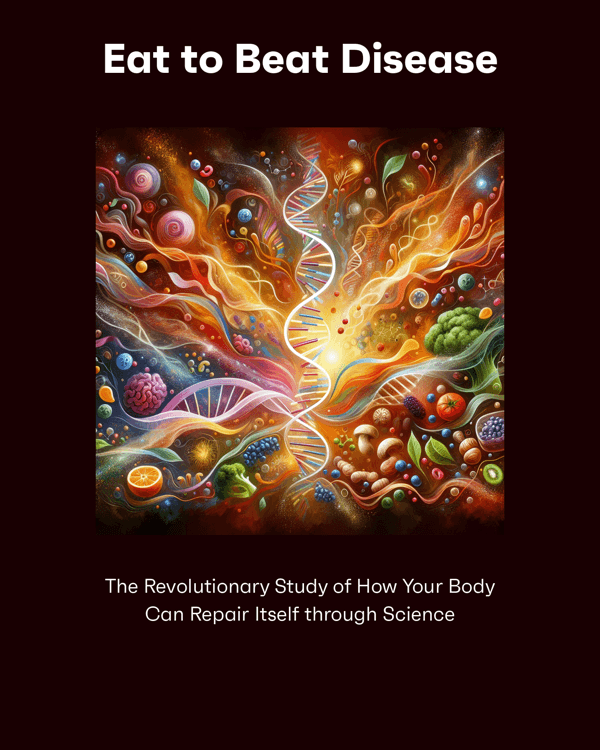
Your DNA, the blueprint of your genetic identity, faces relentless daily damage from factors like infections, inflammation, and environmental toxins. Thankfully, it is equipped with repair mechanisms, such as telomeres that protect its structure. Aging naturally shortens telomeres, but consuming foods like berries and nuts has been shown to enhance DNA protection and even slow aging. Beyond DNA, your body hosts trillions of bacteria, collectively known as the microbiome, which significantly influence health by regulating mood, metabolism, and immunity. Foods like pomegranate juice, sauerkraut, and Parmigiano-Reggiano cheese can nurture beneficial bacteria, strengthening this ecosystem. Surprisingly, even foods like beer, spicy dishes, and cheese, often deemed unhealthy, offer unexpected health benefits, such as reducing cancer risks and supporting heart health. Additionally, your body combats cancer through angiogenesis, a process that regulates blood vessel growth, which can be supported by consuming soy and broccoli. The immune system also plays a critical role in neutralizing cancer cells, and foods like white button mushrooms and extra-virgin olive oil can enhance its function. Finally, stem cells, though scarce, are vital for regeneration and healing, and their activity can be boosted by consuming cocoa rich in flavanols. Together, these dietary choices empower your body’s natural defenses, offering a proactive approach to health and longevity.
Pour lire le reste du livre, téléchargez
Bitely







 12 min
 6 Bite
 Aperçu
 6 Bites