Résumé du livre
Michael S. Schmidt has worked at the New York Times since 2005, during which time he’s gone from answering phones at the foreign desk to being awarded two Pulitzer Prizes. He previously covered sports and gained recognition for his reporting on the use of performance-enhancing drugs. He is now a seasoned Washington correspondent.
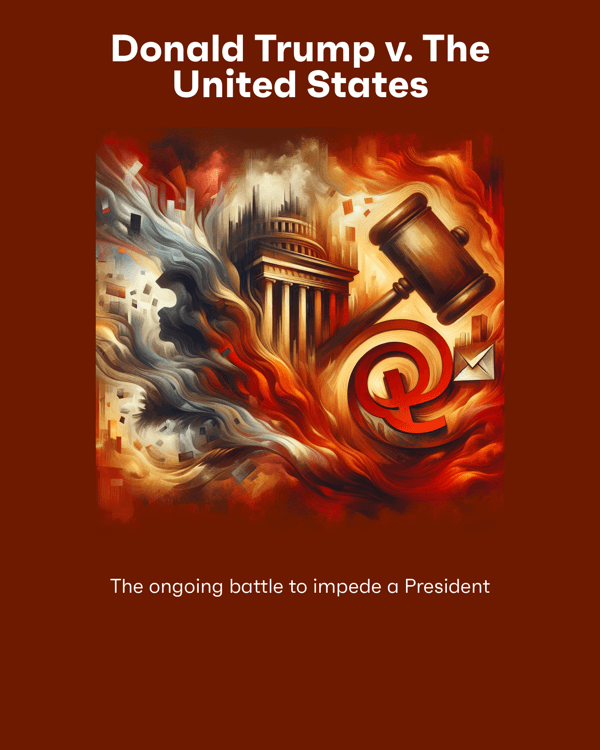
In October 2016, just weeks before the election, a new discovery of Hillary Clinton’s emails on a laptop used by Anthony Weiner, the husband of her aide Huma Abedin, reignited controversy. FBI Director James Comey, striving for transparency, informed Congress of the findings, a decision he believed was necessary to maintain public trust but one that many, including Clinton’s campaign, argued caused irreparable damage. Despite announcing days before the election that the emails did not alter the FBI’s prior conclusions, the fallout was significant, with the election ultimately decided by a narrow margin in key states. As Donald Trump assumed the presidency, the FBI’s investigation into potential ties between his campaign and Russian interference in the election intensified, setting the stage for a tumultuous period marked by political and legal battles that would embroil the administration, the Justice Department, and the FBI.
Pour lire le reste du livre, téléchargez
Bitely







 22 min
 10 Bite
 Aperçu
 10 Bites