Résumé du livre
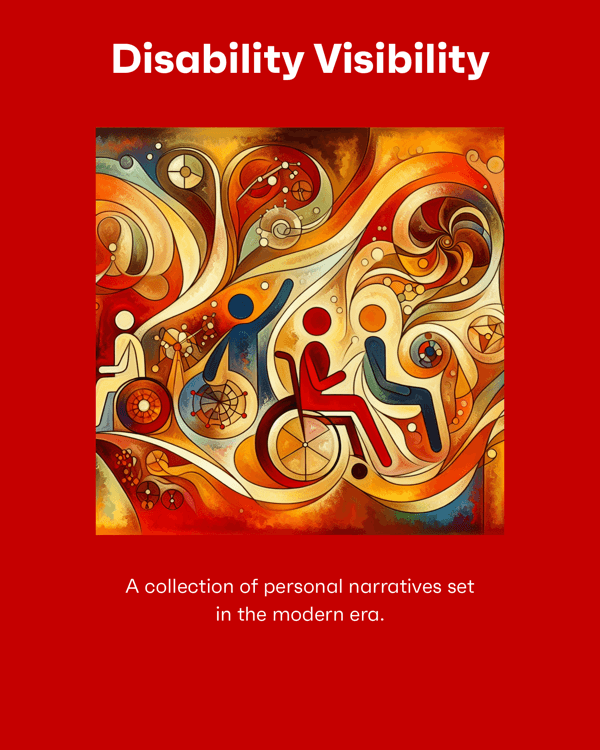
Alice Wong is a disabled activist, media maker, and research consultant. She’s the founder and director of the Disability Visibility Project and coproducer of the Disability Visibility podcast. From 2013 to 2015, she served on the National Council on Disability, an appointment by President Barack Obama.
Alice Wong grew up yearning for representation of disabled individuals in media, politics, and publishing, a gap she sought to fill by founding the Disability Visibility Project (DVP). Through initiatives like collecting oral histories and launching the impactful #CriptheVote campaign, Wong amplified disabled voices and brought attention to disability rights in political discourse. Her work highlights the importance of sharing diverse stories to challenge stigma, reclaim identities, and foster equality. Similarly, Harriet McBryde Johnson, a disability rights lawyer, confronted ableist stereotypes and challenged philosopher Peter Singer’s harmful arguments about the value of disabled lives, exposing the prejudice masquerading as logic. These efforts reflect broader disability justice movements, which emphasize creating inclusive spaces, fostering interdependence, and addressing systemic ableism. From Sky Cubacub’s bold fashion designs celebrating disabled and queer bodies to Wanda Díaz-Merced’s innovation of sonifying astronomical data, disabled individuals continue to drive cultural and scientific advancements when given support and opportunity. However, systemic barriers persist, as seen in the erasure of disabled voices in racial justice movements, the neglect of Indigenous healthcare needs, and the ongoing segregation of individuals with cognitive impairments. Stories like those of Ricardo Thornton, who thrived after leaving an institution, and June Eric-Udorie, who found liberation in embracing her visual disability, underscore the transformative power of acceptance, autonomy, and community support in overcoming societal constraints.
Pour lire le reste du livre, téléchargez
Bitely







 24 min
 10 Bite
 Aperçu
 10 Bites