Résumé du livre
Rachel Maddow is a political commentator and host of the long-running and award-winning Rachel Maddow Show on MSNBC. She has a doctorate in political science from Oxford University and is also a best-selling writer whose work includes the book Drift: The Unmooring of American Military Power (2012).
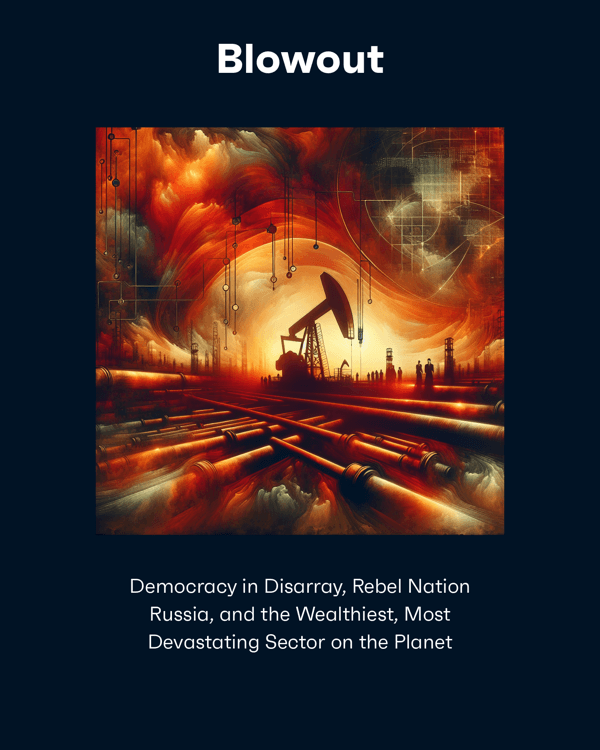
Russia’s support for Donald Trump’s 2016 presidential campaign likely stemmed less from Vladimir Putin’s personal disdain for Hillary Clinton and more from the strategic interests of its oil sector, which was struggling under sanctions tied to the Ukraine conflict. These sanctions, which also stalled Trump’s Moscow real estate ambitions, became a focal point during a meeting between Russian officials and Trump’s team at Trump Tower. Once in office, Trump sought to lift the sanctions, but bipartisan efforts led by Senators John McCain and Ben Cardin swiftly passed legislation to solidify them, forcing Trump to sign it into law despite his and Secretary of State Rex Tillerson’s opposition. This rare moment of legislative resolve underscored the need for stronger industry regulations, such as the Extractive Industries Transparency Initiative (EITI), which Trump later abandoned, undermining hopes for corporate accountability. Meanwhile, ExxonMobil’s controversial dealings with authoritarian regimes like Equatorial Guinea and Russia further highlighted the oil industry’s role in fostering corruption and geopolitical instability. In Russia, Putin’s control over state-run oil giants like Gazprom and Rosneft has weaponized energy supplies against nations like Ukraine while relying on partnerships with companies like ExxonMobil to sustain large-scale projects. Tillerson’s pursuit of profit extended to a contentious deal with Iraqi Kurds, which bypassed Iraq’s central government, raising concerns about deepening divisions in the region. Similarly, his collaboration with Putin on Arctic drilling, disrupted by U.S. sanctions in 2014, reflected the industry’s willingness to prioritize profits over ethical considerations. These tensions, coupled with Russia’s use of covert online tactics to influence global politics, including the 2016 U.S. election, underscore the oil sector’s far-reaching impact on both governance and stability.
Pour lire le reste du livre, téléchargez
Bitely







 14 min
 9 Bite
 Aperçu
 9 Bites