Résumé du livre
Masaji Ishikawa was born in 1947 to a Korean father and a Japanese mother. in 1960, he moved with his parents and three sisters to North Korea. Promised a better life in the new workers’ state, the family found themselves trapped in a totalitarian nightmare. Ishikawa finally managed to escape and return to Japan in 1996. His memoir, A River in Darkness, is an Amazon Charts Most Read and Most Sold Book.
On July 8, 1994, the death of Supreme Leader Kim Il-sung plunged North Korea into collective mourning, with citizens openly weeping in the streets. Ishikawa, overwhelmed by a mix of shock, fear, and faint relief, witnessed the uncertainty of the future deepen as the famine of the 1990s unfolded, claiming millions of lives due to starvation and disease. Despite government rations dwindling to almost nothing, desperation drove people to extreme measures, including crime and cannibalism, while systemic corruption exacerbated the suffering. Ishikawa, determined to escape this grim reality, embarked on a perilous journey across the Yalu River to China, narrowly surviving the crossing. His resolve to improve his family’s future was crushed by North Korea’s rigid caste system, which dictated his life as a farmer despite his academic efforts. After a daring escape, Ishikawa sought refuge through the Japanese Red Cross and eventually returned to Japan in 1995, only to face alienation, unemployment, and the devastating loss of his wife and daughter to starvation. Reflecting on his family’s migration to North Korea decades earlier, lured by false promises of a socialist utopia, Ishikawa recalled the harsh reality of discrimination, deprivation, and systemic oppression that defined their lives, culminating in a regime that thrived on corruption, fear, and the dehumanization of its people.
Pour lire le reste du livre, téléchargez
Bitely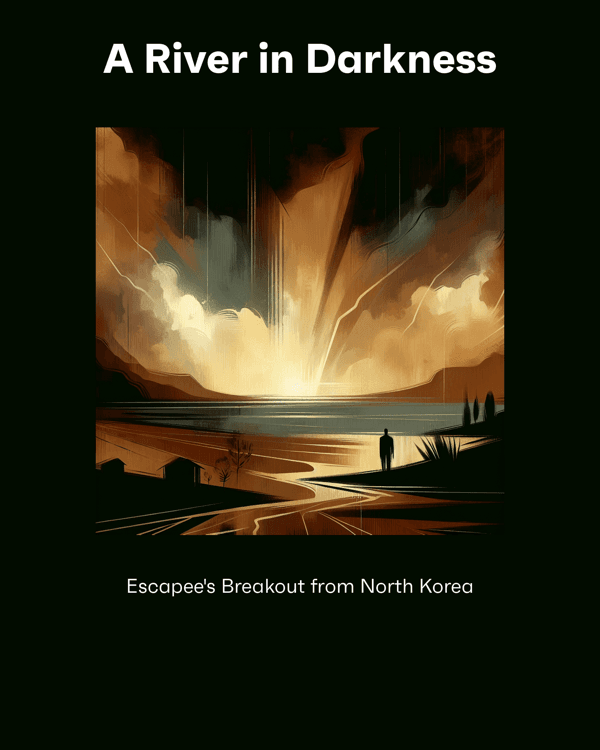

 10 min
 6 Bite
 Aperçu


 6 Bites