
Politics & Society
You Can’t Read This BookYou Can’t Read This Book

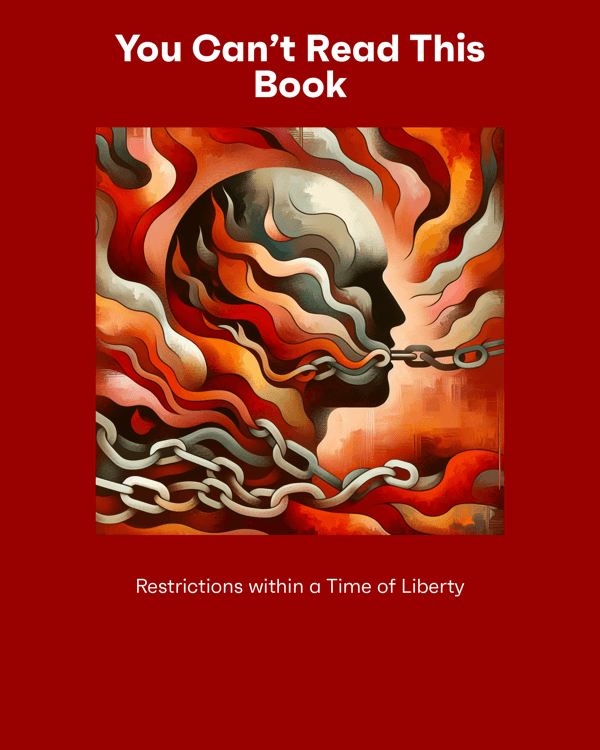
You Can’t Read This Book

user-icon

Nick Cohen

In 1988, Salman Rushdie’s *The Satanic Verses* sparked unprecedented global outrage, culminating in a fatwa by Ayatollah Khomeini that called for his execution. Unlike Rushdie’s earlier works, this novel’s depiction of Muhammad being deceived by the devil, combined with Khomeini’s growing influence, led to violent protests, censorship, and a chilling effect on free expression. The internet, initially seen as a tool for democratizing speech, has instead become a battleground where authoritarian regimes exploit vulnerabilities to suppress dissent. Religious and political leaders worldwide manipulate outrage to consolidate power, silencing critics through fear, violence, and legal systems skewed in favor of the wealthy. This culture of intimidation extends to workplaces, where whistleblowers face systemic barriers, often resorting to silence to protect their livelihoods. From Rushdie’s ordeal to the financial crisis of 2008, these patterns reveal how fear and self-censorship undermine freedom of speech and accountability on a global scale.

clock14 min
bite8 Bite
target Perspectiva

¿De qué trata?

In 1988, Salman Rushdie’s *The Satanic Verses* ignited a global firestorm, challenging the boundaries of free speech and exposing the growing influence of authoritarianism in suppressing dissent. The book’s controversial portrayal of religious themes led to a fatwa calling for Rushdie’s death, sparking violent protests and censorship worldwide. This pivotal moment highlighted the intersection of politics, religion, and fear, as governments, leaders, and individuals grappled with the consequences of challenging dominant ideologies. Through this lens, the narrative explores the broader implications of censorship, self-censorship, and the enduring struggle for freedom of expression in an increasingly polarized world.

Resumen del libro

Nick Cohen is a British journalist, author and renowned liberal commentator who writes for The Observer. He has written five books, including What’s Left?

In 1988, Salman Rushdie’s *The Satanic Verses* sparked unprecedented global outrage, culminating in a fatwa by Ayatollah Khomeini that called for his execution. Unlike Rushdie’s earlier works, this novel’s depiction of Muhammad being deceived by the devil, combined with Khomeini’s growing influence, led to violent protests, censorship, and a chilling effect on free expression. The internet, initially seen as a tool for democratizing speech, has instead become a battleground where authoritarian regimes exploit vulnerabilities to suppress dissent. Religious and political leaders worldwide manipulate outrage to consolidate power, silencing critics through fear, violence, and legal systems skewed in favor of the wealthy. This culture of intimidation extends to workplaces, where whistleblowers face systemic barriers, often resorting to silence to protect their livelihoods. From Rushdie’s ordeal to the financial crisis of 2008, these patterns reveal how fear and self-censorship undermine freedom of speech and accountability on a global scale.

Para leer el resto del libro puedes descargar Bitely
appstoregoogleplayapp gallery
Todos los bocados
bite8 Bites

When Fear Silences: The Cost of Dissent

1
logo

Fear, Silence, and the Erosion of Critique

2
logo

How Fear Fuels Authority and Silences Dissent

3
logo

Wealth, Power, and the Erosion of Dissent

4
logo

Silenced Voices: Power, Fear, and Self-Censorship

5
logo

How the Wealthy Weaponize English Libel Laws

6
logo

How the Internet Reshaped Free Speech

7
logo

Silencing Voices: The Battle for Online Expression

8
logo

Libros relacionados

mailbox-icon

¿Quieres seguir aprendiendo?

¡No te pierdas las actualizaciones del emocionante universo de Bitely!