Nature & Science
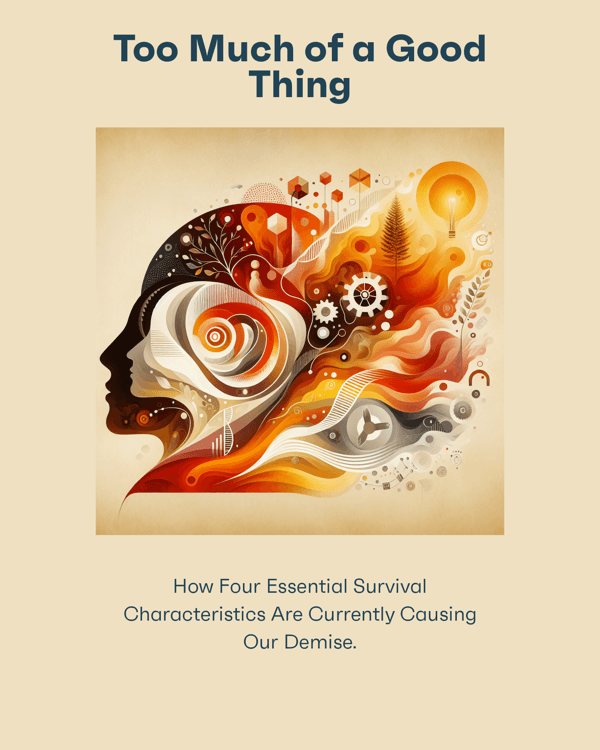
Too Much of a Good ThingToo Much of a Good Thing

Too Much of a Good Thing

user-icon

Lee Goldman

The human body, much like elderly individuals learning to navigate computers, struggles to adapt to rapid changes in the modern world. From the evolution of lighter skin to combat vitamin D deficiencies in less sunny regions to the Industrial Revolution’s drastic lifestyle shifts, our biology remains rooted in survival mechanisms that are now often counterproductive. Ancient instincts to store fat for energy, conserve water and salt, or react swiftly to threats once ensured survival but now contribute to obesity, hypertension, and anxiety in a world of abundance and safety. While individual willpower alone is insufficient to counter these challenges, collective efforts—such as government policies on nutrition and cultural practices like Japan’s waist measurement mandates—have shown promise. Advances in medicine and genetic research also offer hope, with breakthroughs like HIV-resistant gene therapies and optogenetics demonstrating the potential to address chronic illnesses and mental health issues. However, the pace of environmental and societal changes far outstrips our ability to naturally adapt, leaving us reliant on innovation and collective action to navigate these modern challenges.

clock19 min
bite8 Bite
target Perspectiva

¿De qué trata?

The book delves into the fascinating interplay between human evolution and the rapid changes of the modern world, exploring how our bodies and minds struggle to adapt to contemporary challenges. From ancient survival mechanisms that now contribute to obesity and anxiety, to groundbreaking medical advancements like genetic research and optogenetics, it examines the tension between biology and environment. Through engaging examples and scientific insights, it highlights the complexities of health, behavior, and adaptation in a world that evolves faster than we do. This thought-provoking narrative invites readers to reflect on the past, present, and future of human resilience.

Resumen del libro

Famed cardiologist and public health specialist Lee Goldman is a professor at the Columbia University Medical Center. He is best known for having developed the Goldman Criteria, a tool for determining which cardiac patients should get priority treatment.

The human body, much like elderly individuals learning to navigate computers, struggles to adapt to rapid changes in the modern world. From the evolution of lighter skin to combat vitamin D deficiencies in less sunny regions to the Industrial Revolution’s drastic lifestyle shifts, our biology remains rooted in survival mechanisms that are now often counterproductive. Ancient instincts to store fat for energy, conserve water and salt, or react swiftly to threats once ensured survival but now contribute to obesity, hypertension, and anxiety in a world of abundance and safety. While individual willpower alone is insufficient to counter these challenges, collective efforts—such as government policies on nutrition and cultural practices like Japan’s waist measurement mandates—have shown promise. Advances in medicine and genetic research also offer hope, with breakthroughs like HIV-resistant gene therapies and optogenetics demonstrating the potential to address chronic illnesses and mental health issues. However, the pace of environmental and societal changes far outstrips our ability to naturally adapt, leaving us reliant on innovation and collective action to navigate these modern challenges.

Para leer el resto del libro puedes descargar Bitely

appstoregoogleplayapp gallery
Todos los bocados
bite8 Bites

How Evolution Struggles in a Modern World

1
logo

Survival Mechanisms Fueling Modern Obesity

2
logo

How Ancient Survival Traits Harm Us Today

3
logo

Why Modern Minds Misfire Under Ancient Instincts

4
logo

Evolving Bodies, Modern Challenges

5
logo

Why Our Genes Struggle to Keep Up

6
logo

Collective Solutions to Modern Health Challenges

7
logo

Revolutionizing Health: Breakthroughs in Medicine and Mind

8
logo

Libros relacionados

mailbox-icon

¿Quieres seguir aprendiendo?

¡No te pierdas las actualizaciones del emocionante universo de Bitely!