Nature & Science
We Are the WeatherWe Are the Weather

We Are the Weather

user-icon

Jonathan Safran Foer

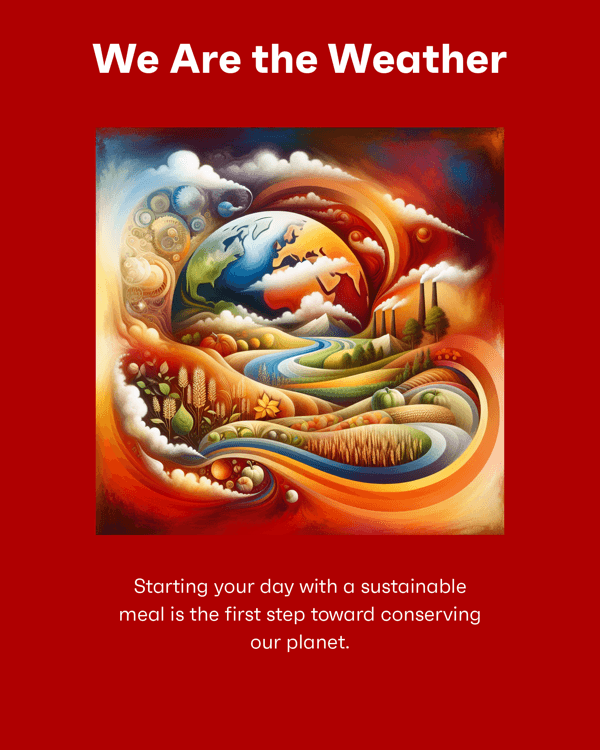
Individual actions, while often perceived as insignificant against the vast challenges of climate change, can influence corporate behavior and drive systemic change, as seen in examples like employee-led protests at Google and policy shifts at major companies under public pressure. However, grassroots efforts alone are insufficient and must be paired with government interventions, such as carbon taxes and research funding, mirroring the successful dual approach used to combat polio. Unlike historic movements with clear narratives and identifiable heroes, climate change’s dispersed impacts and abstract nature make it harder to emotionally engage with, despite its immense and growing consequences. Compounded by misinformation from industries like oil and gas and the overlooked role of agriculture—responsible for nearly as many emissions as fossil fuels—the crisis demands a shift in focus toward impactful actions, such as reducing meat consumption. While human adaptability has historically ensured survival, addressing climate change requires new skills: envisioning long-term consequences and resisting the normalization of gradual environmental degradation. The urgency to act is underscored by the finite nature of Earth’s resources and the self-reinforcing cycles of damage, such as polar ice melt accelerating global warming. Despite the daunting scale of the crisis, humanity’s capacity for ethical decision-making obligates us to act for future generations and vulnerable communities, with dietary changes offering a practical and immediate way to reduce emissions. The challenge of altering ingrained habits like meat consumption remains significant, but it is a necessary step in mitigating the environmental toll of industrial farming, which contributes heavily to deforestation and the release of potent greenhouse gases. The next section will delve into strategies for addressing these deeply rooted behaviors.

clock11 min
bite7 Bite
target Einblick

Worum geht es?

This book delves into the intricate challenges of climate change, exploring how individual actions, corporate accountability, and systemic policies must converge to create meaningful solutions. It examines the psychological and societal barriers that hinder progress, from our struggle to connect with abstract threats to the influence of misinformation. With a focus on overlooked contributors like industrial agriculture and the transformative potential of dietary shifts, the narrative highlights practical steps for combating the crisis. Engaging and thought-provoking, it underscores the moral responsibility we hold to future generations and the planet's most vulnerable communities.

Buchzusammenfassung

Jonathan Safran Foer is a promising young novelist from New York who has written the international bestsellers Everything is Illuminated and Extremely Loud & Incredibly Close.

Individual actions, while often perceived as insignificant against the vast challenges of climate change, can influence corporate behavior and drive systemic change, as seen in examples like employee-led protests at Google and policy shifts at major companies under public pressure. However, grassroots efforts alone are insufficient and must be paired with government interventions, such as carbon taxes and research funding, mirroring the successful dual approach used to combat polio. Unlike historic movements with clear narratives and identifiable heroes, climate change’s dispersed impacts and abstract nature make it harder to emotionally engage with, despite its immense and growing consequences. Compounded by misinformation from industries like oil and gas and the overlooked role of agriculture—responsible for nearly as many emissions as fossil fuels—the crisis demands a shift in focus toward impactful actions, such as reducing meat consumption. While human adaptability has historically ensured survival, addressing climate change requires new skills: envisioning long-term consequences and resisting the normalization of gradual environmental degradation. The urgency to act is underscored by the finite nature of Earth’s resources and the self-reinforcing cycles of damage, such as polar ice melt accelerating global warming. Despite the daunting scale of the crisis, humanity’s capacity for ethical decision-making obligates us to act for future generations and vulnerable communities, with dietary changes offering a practical and immediate way to reduce emissions. The challenge of altering ingrained habits like meat consumption remains significant, but it is a necessary step in mitigating the environmental toll of industrial farming, which contributes heavily to deforestation and the release of potent greenhouse gases. The next section will delve into strategies for addressing these deeply rooted behaviors.

Um den Rest des Buches zu lesen, können Sie Bitely herunterladen

appstoregoogleplayapp gallery
Alle Bissen
bite7 Bites

Confronting Climate Change’s Elusive Narrative

1
logo

Why We Ignore the Climate Crisis

2
logo

Rethinking Climate Action: The Hidden Impact of Meat

3
logo

Driving Change: How Individuals Can Shape Climate Action

4
logo

Rethinking Diets to Combat Climate Change

5
logo

Rethinking Diets to Combat Climate Change

6
logo

Earth's Finite Future: The Urgency to Act

7
logo

Verwandte Bücher

mailbox-icon

Möchten Sie weiter lernen?

Verpassen Sie keine Updates aus dem aufregenden Universum von Bitely!