Psychology
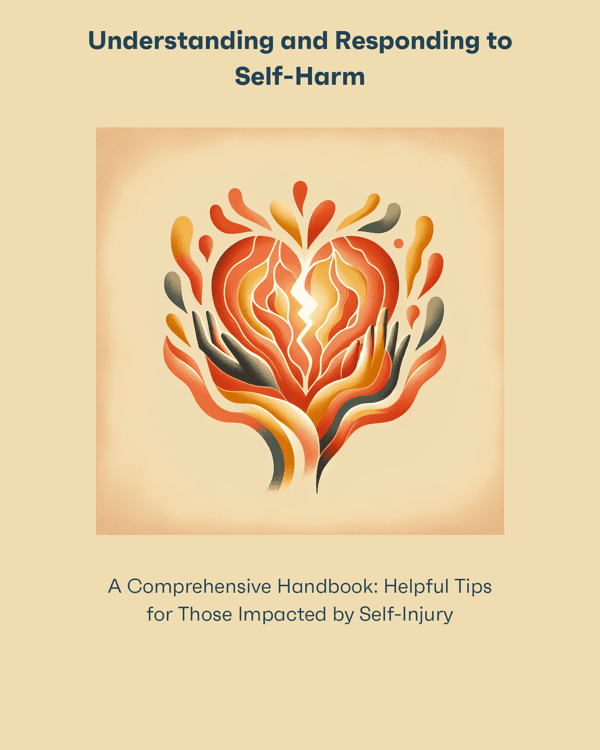
Understanding and Responding to Self-HarmUnderstanding and Responding to Self-Harm

Understanding and Responding to Self-Harm

user-icon

Allan House

Self-harm takes many forms, from overdosing on medications or ingesting harmful substances to cutting or carving words into the skin. These actions may be impulsive, as seen with Mike, who injured himself after a sudden wave of despair, or premeditated, like Anna, who carefully plans her self-harm in private. Regardless of the method or severity, self-harm is a clear indicator of emotional distress and often serves as a coping mechanism to manage overwhelming emotions. For some, like Asma, it offers temporary relief by shifting focus from emotional to physical pain, while for others, such as Marie, it helps combat feelings of detachment from reality. Responding to someone who confides in you about self-harm requires sensitivity and measured reactions to foster trust and encourage professional help. Prevention involves seeking mental health support, adopting healthier habits, and building a reliable support system, emphasizing persistence even if the first attempt to seek help doesn’t go as planned.

clock10 min
bite6 Bite
target Einblick

Worum geht es?

Self-harm is a deeply complex behavior often misunderstood and surrounded by stigma. This book delves into the various forms of self-harm, the emotional and practical challenges that contribute to it, and the personal stories of those who have experienced it. Through an empathetic and informative lens, it explores self-harm as a coping mechanism, offering insights into the motivations behind it while emphasizing the importance of understanding and support. With a focus on fostering awareness, it provides guidance on how to approach conversations about self-harm with care and compassion.

Buchzusammenfassung

Allan House is a Professor of Liaison Psychiatry at the University of Leeds. Professor House was previously the Director of the Leeds Institute of Health Sciences, where he focused on education and applied health research.

Self-harm takes many forms, from overdosing on medications or ingesting harmful substances to cutting or carving words into the skin. These actions may be impulsive, as seen with Mike, who injured himself after a sudden wave of despair, or premeditated, like Anna, who carefully plans her self-harm in private. Regardless of the method or severity, self-harm is a clear indicator of emotional distress and often serves as a coping mechanism to manage overwhelming emotions. For some, like Asma, it offers temporary relief by shifting focus from emotional to physical pain, while for others, such as Marie, it helps combat feelings of detachment from reality. Responding to someone who confides in you about self-harm requires sensitivity and measured reactions to foster trust and encourage professional help. Prevention involves seeking mental health support, adopting healthier habits, and building a reliable support system, emphasizing persistence even if the first attempt to seek help doesn’t go as planned.

Um den Rest des Buches zu lesen, können Sie Bitely herunterladen

appstoregoogleplayapp gallery
Alle Bissen
bite6 Bites

Decoding Self-Harm: Understanding Intent and Impact

1
logo

Unveiling the Complex Realities of Self-Harm

2
logo

Unraveling the Complexities Behind Self-Harm

3
logo

Breaking the Silence on Self-Harm

4
logo

Breaking the Cycle of Self-Harm

5
logo

Navigating Conversations About Self-Harm

6
logo

Verwandte Bücher

mailbox-icon

Möchten Sie weiter lernen?

Verpassen Sie keine Updates aus dem aufregenden Universum von Bitely!