
Self-Growth
Toxic PositivityToxic Positivity

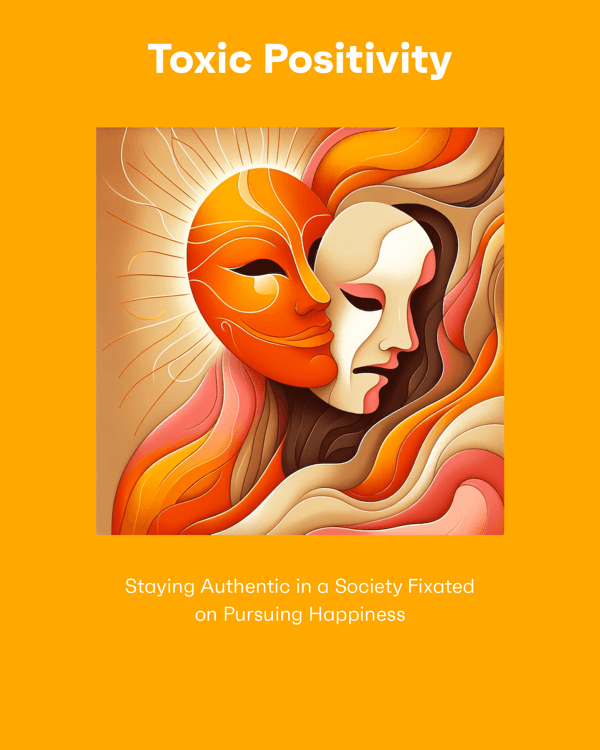
Toxic Positivity

user-icon

Whitney Goodman

Toxic positivity extends beyond personal struggles, fueling systemic issues like discrimination and inequality in the U.S. By pressuring marginalized groups to conform to positive stereotypes—such as the "strong Black woman" or the "grateful immigrant"—it silences valid grievances and perpetuates oppression. This cultural obsession with positivity, rooted in historical movements like "New Thought," has evolved into a societal norm, often dismissing genuine emotions in favor of unattainable ideals. The relentless pursuit of happiness leaves many, like Tory, feeling inadequate when they fail to meet these expectations, while suppressing negative emotions exacerbates stress and harms mental health. Instead of offering platitudes, true support lies in empathy, validation, and creating space for authentic emotions. Recognizing the origins and consequences of toxic positivity is essential to fostering meaningful change and prioritizing genuine connection over forced optimism.

clock12 min
bite6 Bite
target Einblick

Worum geht es?

Toxic positivity, while often well-intentioned, can have profound and far-reaching consequences, both individually and societally. This book delves into how the relentless pursuit of positivity fuels emotional suppression, perpetuates systemic oppression, and silences marginalized voices. By examining its cultural roots and psychological impacts, it challenges the notion that positivity is always beneficial. Through compelling examples and research, it advocates for embracing authenticity, empathy, and radical acceptance as pathways to genuine connection and meaningful change.

Buchzusammenfassung

Whitney Goodman is a licensed psychotherapist who runs a private therapy practice in Miami. Her popular Instagram account @sitwithwhit has nearly half a million followers. Toxic Positivity is her first book

Toxic positivity extends beyond personal struggles, fueling systemic issues like discrimination and inequality in the U.S. By pressuring marginalized groups to conform to positive stereotypes—such as the "strong Black woman" or the "grateful immigrant"—it silences valid grievances and perpetuates oppression. This cultural obsession with positivity, rooted in historical movements like "New Thought," has evolved into a societal norm, often dismissing genuine emotions in favor of unattainable ideals. The relentless pursuit of happiness leaves many, like Tory, feeling inadequate when they fail to meet these expectations, while suppressing negative emotions exacerbates stress and harms mental health. Instead of offering platitudes, true support lies in empathy, validation, and creating space for authentic emotions. Recognizing the origins and consequences of toxic positivity is essential to fostering meaningful change and prioritizing genuine connection over forced optimism.

Um den Rest des Buches zu lesen, können Sie Bitely herunterladen
appstoregoogleplayapp gallery
Alle Bissen
bite6 Bites

The Hidden Harm of Forced Positivity

1
logo

When Positivity Hurts: The Cost of "Good Vibes Only

2
logo

The Hidden Harm of Forced Positivity

3
logo

Breaking Free from the Trap of Toxic Positivity

4
logo

Embracing Emotions: Breaking Free from Toxic Positivity

5
logo

Weaponizing Positivity: How It Silences Change

6
logo

Verwandte Bücher

mailbox-icon

Möchten Sie weiter lernen?

Verpassen Sie keine Updates aus dem aufregenden Universum von Bitely!