Buchzusammenfassung
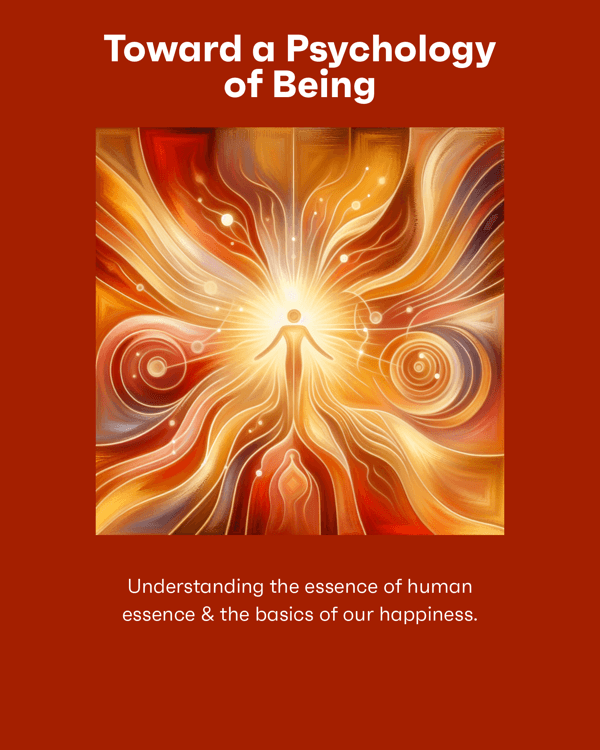
Abraham Maslow was a titan of twentieth-century psychology; his works and theories form part of the bedrock of humanistic psychology. His focus on individuals’ drive to self-actualize and express themselves marked a distinct shift away from psychology’s prior focus on pathology. In popular culture, Maslow’s most famous concept is the hierarchy of needs, which he believed represented the organization of humanity’s shared, fundamental desires.
Abraham Maslow's exploration of human nature diverged from traditional philosophies by grounding itself in psychology rather than higher authorities like God. He argued that human nature is both unique and universal, inherently neutral or good, and thrives when nurtured. Central to his theory is self-actualization, the innate drive to realize one’s fullest potential. While many suppress this drive, leading to neuroses, Maslow shifted psychology’s focus from treating disorders to fostering well-being through positive psychology. He distinguished between deficiency motivation, which seeks to resolve a lack, and growth motivation, which pursues progress for its own sake. This perspective extends to love, contrasting need-based D-love with unconditional B-love, rooted in appreciating others for their essence. Maslow’s hierarchy of needs emphasizes fulfilling basic needs before higher ones, with personal growth only possible when deficiency needs are met. He envisioned self-actualizers as societal role models, capable of inspiring a healthier moral framework. These individuals, marked by unique motivations and B-cognition, experience profound peak moments and exhibit self-actualizing creativity—an innate, spontaneous expression unbound by fear or convention. This creativity, distinct from traditional notions, reflects their psychological health and authenticity.
Um den Rest des Buches zu lesen, können Sie
Bitely herunterladen

 10 min
 6 Bite
 Einblick


 6 Bites