Nature & Science
To Dye ForTo Dye For

To Dye For

user-icon

Alden Wicker

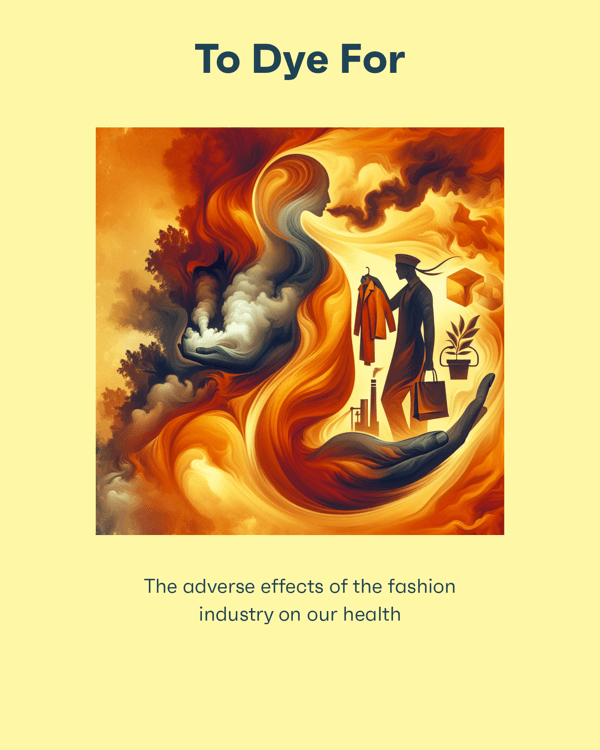
Beneath the allure of fast fashion lies a hidden cost: the health and safety of workers and consumers alike. In places like Tirupur, India, environmental regulations protect water sources but fail to address the chronic illnesses workers face from chemical exposure. Similarly, flight attendants like Mary and John suffered severe health issues from toxic uniforms, a problem echoed by thousands across the industry. These cases highlight the broader risks of chemical-laden clothing, which can harm children, adults, and even entire communities, as seen in historically polluted areas like Gloversville, New York. Endocrine-disrupting chemicals such as PFAS and phthalates, pervasive in garment production, are linked to declining fertility rates and other systemic health issues, including autoimmune disorders and chemical sensitivities. While consumers can take steps to minimize exposure—like choosing natural fabrics, avoiding fast fashion, and washing new clothes—true change requires systemic reform. By holding brands accountable and advocating for stricter regulations, a safer, more ethical fashion industry is possible.

clock10 min
bite5 Bite
target Einblick

Worum geht es?

Beneath the surface of fashion’s allure lies a hidden narrative of toxic practices and their devastating impact on human health and the environment. This book delves into the dark realities of the garment industry, from hazardous chemicals harming workers to the long-term health risks faced by consumers. Through compelling stories and historical context, it explores how toxic materials in clothing have shaped lives across centuries and continue to pose dangers today. With a blend of investigative insight and practical advice, it challenges readers to rethink their choices and advocate for a safer, more ethical fashion future.

Buchzusammenfassung

Alden Wicker is an award-winning journalist who writes about sustainable fashion and the impact of the clothing industry. Her work has appeared in The New York Times, Wired, The Cut, Vox, Vogue, InStyle, Harper’s Bazaar, and many other publications. She’s also the founder of Eco-Cult, a blog dedicated to sharing information about sustainability and ethics in fashion.

Beneath the allure of fast fashion lies a hidden cost: the health and safety of workers and consumers alike. In places like Tirupur, India, environmental regulations protect water sources but fail to address the chronic illnesses workers face from chemical exposure. Similarly, flight attendants like Mary and John suffered severe health issues from toxic uniforms, a problem echoed by thousands across the industry. These cases highlight the broader risks of chemical-laden clothing, which can harm children, adults, and even entire communities, as seen in historically polluted areas like Gloversville, New York. Endocrine-disrupting chemicals such as PFAS and phthalates, pervasive in garment production, are linked to declining fertility rates and other systemic health issues, including autoimmune disorders and chemical sensitivities. While consumers can take steps to minimize exposure—like choosing natural fabrics, avoiding fast fashion, and washing new clothes—true change requires systemic reform. By holding brands accountable and advocating for stricter regulations, a safer, more ethical fashion industry is possible.

Um den Rest des Buches zu lesen, können Sie Bitely herunterladen

appstoregoogleplayapp gallery
Alle Bissen
bite5 Bites

Toxic Threads: The Hidden Cost of Fashion

1
logo

Toxic Threads: The Hidden Cost of Fashion

2
logo

Toxic Threads: How Fashion Harms Health

3
logo

Toxic Threads: The Hidden Cost of Fashion

4
logo

Detox Your Closet: The Hidden Cost of Fashion

5
logo

Verwandte Bücher

mailbox-icon

Möchten Sie weiter lernen?

Verpassen Sie keine Updates aus dem aufregenden Universum von Bitely!