
Self-Growth
Think TwiceThink Twice

Think Twice

user-icon

Michael J. Mauboussin

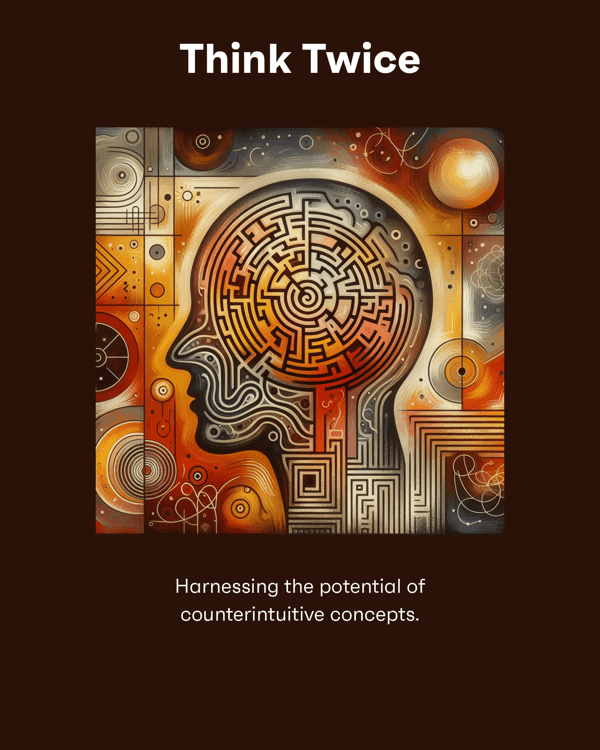
Our minds often rely on mental shortcuts that skew judgment, such as the anchoring heuristic, where irrelevant starting points influence decisions, and the availability heuristic, which prioritizes recent or vivid experiences over broader evidence. Tunnel vision, fueled by biases like cognitive dissonance and external incentives, narrows our focus, as seen in examples ranging from misdiagnosed illnesses to the 2008 financial crisis. Similarly, overconfidence in the internal view—fixating on specific details while ignoring broader patterns—can lead to flawed predictions, as demonstrated by Big Brown’s unexpected loss in the Belmont Stakes. By consciously broadening our perspective, incorporating external views, and challenging assumptions, we can counteract these biases and make more balanced, informed decisions.

clock4 min
bite2 Bite
target Einblick

Worum geht es?

This book delves into the fascinating ways our minds rely on mental shortcuts, like anchoring and availability bias, to form judgments—often leading to narrow thinking known as tunnel vision. Through compelling examples, it explores how cognitive dissonance, incentives, and overconfidence skew our decisions, from financial crises to scientific debates. By contrasting internal and external perspectives, it reveals strategies to broaden our outlook and make more balanced, informed choices. Engaging and thought-provoking, it equips readers to recognize and counteract the subtle biases shaping their everyday decisions.

Buchzusammenfassung

Michael J. Mauboussin is an author and investment strategist. He’s known for his research on behavioral finance and expert insights into investor psychology.

Our minds often rely on mental shortcuts that skew judgment, such as the anchoring heuristic, where irrelevant starting points influence decisions, and the availability heuristic, which prioritizes recent or vivid experiences over broader evidence. Tunnel vision, fueled by biases like cognitive dissonance and external incentives, narrows our focus, as seen in examples ranging from misdiagnosed illnesses to the 2008 financial crisis. Similarly, overconfidence in the internal view—fixating on specific details while ignoring broader patterns—can lead to flawed predictions, as demonstrated by Big Brown’s unexpected loss in the Belmont Stakes. By consciously broadening our perspective, incorporating external views, and challenging assumptions, we can counteract these biases and make more balanced, informed decisions.

Um den Rest des Buches zu lesen, können Sie Bitely herunterladen
appstoregoogleplayapp gallery
Alle Bissen
bite2 Bites

Breaking Bias: The Power of Perspective

1
logo

Breaking Bias: Escaping Mental Shortcuts

2
logo

Verwandte Bücher

mailbox-icon

Möchten Sie weiter lernen?

Verpassen Sie keine Updates aus dem aufregenden Universum von Bitely!