Buchzusammenfassung
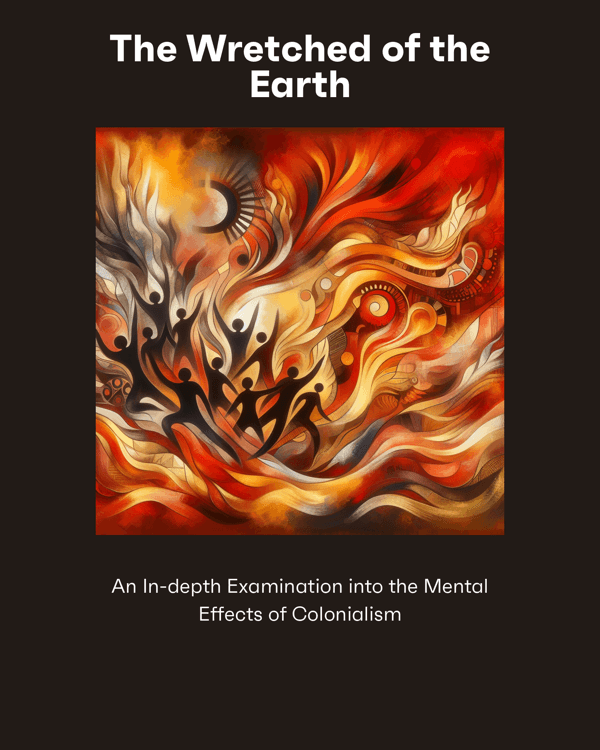
Frantz Fanon was an influential twentieth-century psychiatrist and philosophical writer who analyzed the traumatic psychological effects of colonization and advocated for revolutionary action against colonial rule, inspiring anti-colonial movements for over 40 years.
During the mid-20th century, revolutionary violence was widely seen as essential for dismantling colonial regimes, driven by the raw emotions of the oppressed rather than calculated strategies. While spontaneous uprisings carried immense power and inspired collective resistance, their lack of structure and strategic vision often led to fragmentation, making them vulnerable to exploitation by colonial powers. True liberation required channeling this raw energy into organized movements with clear political agendas to achieve lasting change. Beyond physical oppression, colonialism inflicted deep psychological trauma through systematic methods like cultural erasure, public violence, and economic marginalization, leaving scars that perpetuated self-hatred and conformity to colonial values. Addressing this mental colonization was vital for genuine decolonization, requiring a profound cultural and psychological transformation alongside political and economic shifts. Reviving national culture post-colonialism demanded more than rejecting colonial influences; it required reimagining culture as a dynamic, evolving process that balanced reclaiming heritage with fostering innovation. By integrating ancestral traditions into modern frameworks, societies could build equitable, self-determined futures, ensuring cultural identity became a force for development. This deliberate, patient process of cultural and psychological renewal was essential for achieving enduring freedom and revolutionary change.
Um den Rest des Buches zu lesen, können Sie
Bitely herunterladen








 14 min
 5 Bite
 Einblick
 5 Bites