Buchzusammenfassung
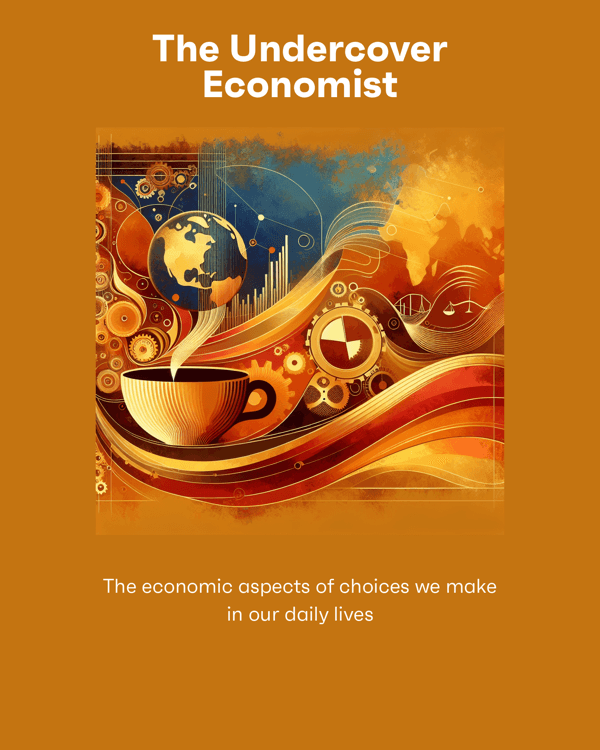
Tim Harford is an economist and award-winning journalist who writes for the Financial Times. He has written multiple bestselling books on economics and life, including The Undercover Economist.
Several formerly impoverished nations, like Taiwan and South Korea, have achieved significant economic success by embracing international trade and specialization, while countries like North Korea, which isolate themselves, face poverty. Businesses, regardless of industry, aim to maximize consumer spending through strategies like offering product variations or targeting specific groups with discounts, as seen with Starbucks and IBM. However, the free market, while efficient in many ways, often fails to account for societal costs like pollution, necessitating government interventions such as London’s congestion charge. Similarly, poor governance, as exemplified by Cameroon’s corruption under authoritarian rule, hinders economic progress, highlighting the need for accountability. Markets also falter when information is unequal, such as in the used-car market, where buyers face uncertainty about product quality. Consumers can counteract exploitative pricing tactics by shopping strategically and staying informed, as illustrated by examples like supermarket pricing and location-based price discrimination. Even something as simple as a morning latte reflects the complexities of the global economy, where factors like convenience and scarcity influence pricing, offering insights into the interconnected systems shaping everyday life.
Um den Rest des Buches zu lesen, können Sie
Bitely herunterladen

 11 min
 7 Bite
 Einblick


 7 Bites