Buchzusammenfassung
Bob Johansen is a fellow of the Institute for the Future, helping top leaders from all over the world not just prepare for, but also shape the future.
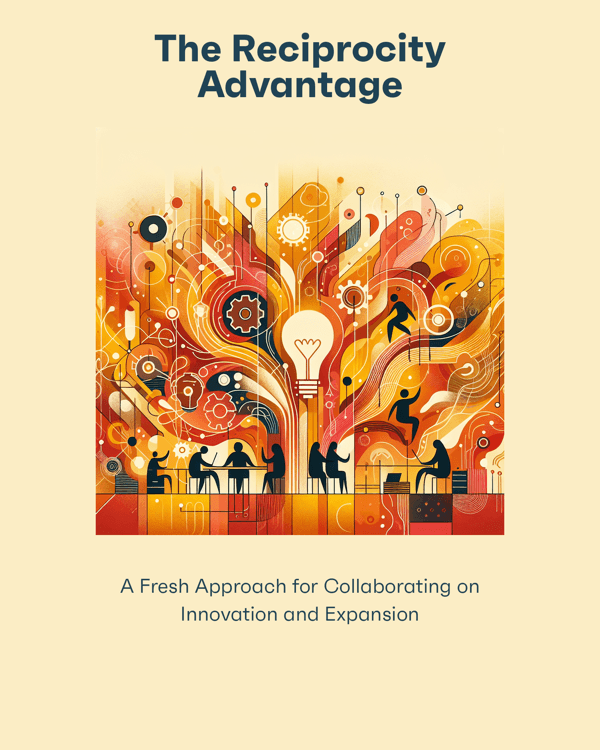
Businesses often overlook untapped assets, much like unused items in a basement, yet these resources can spark transformative partnerships. IBM exemplified this by pivoting from declining hardware sales in the 1980s to leveraging its expertise in data management, creating innovative solutions like improving urban traffic systems. Similarly, Microsoft turned a challenge with its Kinect platform into an opportunity by collaborating with hackers, leading to diverse applications. The rise of digital natives—those 18 or younger in 2014—signals a shift in business dynamics, as this generation challenges traditional profit models and embraces concepts like crowdfunding and intellectual property sharing. Companies must adapt by engaging with this group on a deeper level, fostering genuine relationships. Cloud computing further revolutionizes collaboration, enabling shared resources and cross-cultural connections, while advancements in machine translation bridge linguistic divides. Communal spaces like maker hubs and platforms like TechSpace illustrate the power of collective innovation, as seen with Square’s success. Google’s Google Fiber project highlights the benefits of reciprocal advantage, driving innovation in Kansas City while expanding its user base. Collaboration also fuels growth, as TEDx and 3D printing demonstrate the potential of global partnerships. The future of work is evolving, with tasks increasingly outsourced online, as seen with platforms like Task Rabbit. Open innovation, such as Lego’s CUUSOO, showcases how involving customers can drive creativity and mutual benefits. Games, too, offer untapped potential, fostering collaboration and simulating real-world scenarios, as evidenced by Minecraft and the US military’s use of war games. Together, these trends underscore the transformative power of collaboration, adaptability, and shared innovation.
Um den Rest des Buches zu lesen, können Sie
Bitely herunterladen








 10 min
 7 Bite
 Einblick
 7 Bites