Buchzusammenfassung
Steven R. Gundry is a former cardiac surgeon, and the New York Times best-selling author of The Plant Paradox. Known for his controversial views on diet, Gundry is the founder and director of the Center for Restorative Medicine in California.
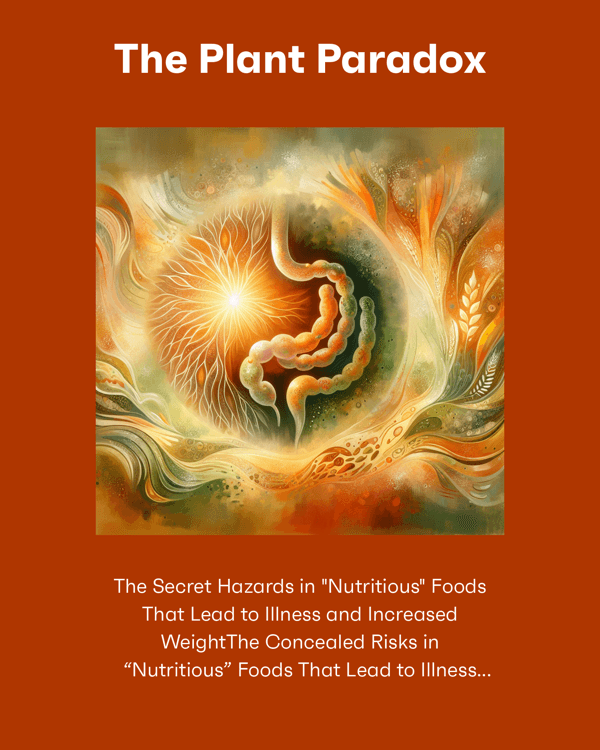
The human gut, much like a nuclear power plant, relies on carefully managed energy-producing elements—in this case, trillions of microbes that convert food into energy and are vital for survival. However, if these microbes escape the gut, they can trigger immune responses, leading to self-damage. Lectins, plant proteins found in foods like whole grains and legumes, can compromise the gut’s barrier, causing inflammation and health issues such as Crohn’s disease. Historically, grains and legumes became dietary staples out of necessity during food shortages, despite their drawbacks. Over time, these lectin-rich foods have been linked to adverse effects, including weight gain and cognitive impairment, as seen in studies of ancient diets and modern research. Addressing these challenges involves eliminating harmful foods, like legumes and grains, to repair the gut and reduce inflammation, as outlined in the Plant Paradox Program. A three-day cleanse paired with nutrient-dense alternatives and supplements like vitamin D and B12 can help restore gut health and counteract the declining nutritional value of modern produce. By adopting these practices, we can emulate the nutrient-rich diets of our ancestors and improve overall well-being.
Um den Rest des Buches zu lesen, können Sie
Bitely herunterladen








 8 min
8 min 6 Bite
 Einblick
 6 Bites