Buchzusammenfassung
Mohamad A. El-Erian is the chair of President Obama’s Global Development Council and the chief economic advisor at Allianz, the corporate parent of PIMCO. He’s also a contributing editor for the Financial Times, a Bloomberg columnist and has served as the deputy director of the International Monetary Fund. His writings have appeared in Fortune, the Wall Street Journal, the Washington Post and a number of other publications.
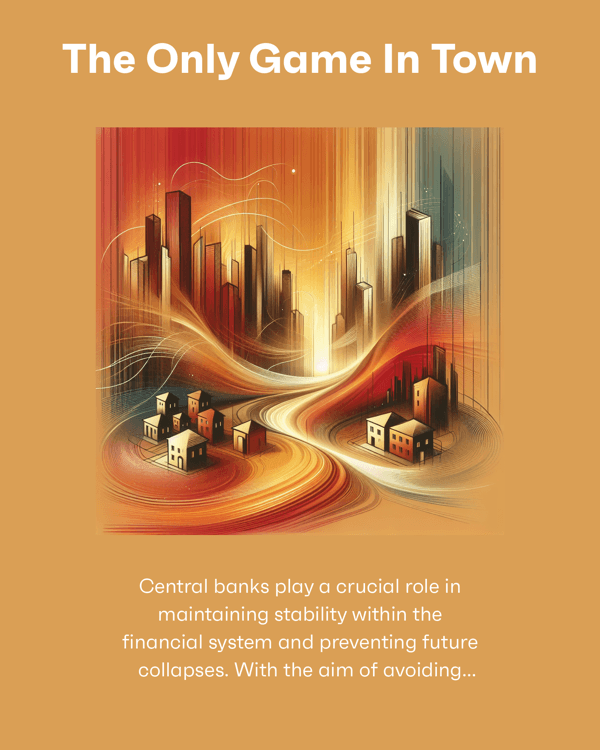
Globalization has narrowed the divide between rich and poor nations globally, yet income inequality within countries has reached a fifty-year high. The wealthiest 10 percent in Western nations earn nine times more than the poorest 10 percent, creating disparities in education and healthcare access. Central banks, through low-interest policies, have unintentionally widened this gap, favoring corporations over ordinary citizens. Trust in institutions has eroded, worsened by governments bailing out reckless banks during the 2008 crisis, which tarnished the credibility of central banks and the state. This distrust has fueled political dysfunction, with leaders avoiding compromises that hinder progress on critical issues like trade and infrastructure. Rising nationalist movements and geopolitical tensions further complicate the global landscape, as emerging economies like the BRICS nations challenge Western dominance in financial institutions. Meanwhile, stricter banking regulations have led financial institutions to seek risks elsewhere, introducing new threats like liquidity risks. Central banks, once obscure entities, now wield expanded authority, managing money supply, fostering growth, and ensuring financial stability. However, unconventional policies like negative interest rates have uncertain long-term effects. The global economy faces an uncertain future, with nations falling into categories of prosperity, stagnation, or volatility. While central banks stabilized markets post-2008, they failed to spur robust growth, leaving challenges like unemployment and debt unresolved. To foster growth, inclusive reforms in infrastructure and education are essential, alongside addressing imbalances in spending, reducing public debt, and improving global economic coordination, with institutions like the IMF potentially serving as a unifying force.
Um den Rest des Buches zu lesen, können Sie
Bitely herunterladen








 9 min
9 min 7 Bite
 Einblick
 7 Bites