Buchzusammenfassung
William Davies is a senior lecturer and director at the Political Economy Research Centre at Goldsmiths, University of London. He is also the author of The Limits of Neoliberalism. His writing has appeared in New Left Review, Prospect, the Financial Times and Open Democracy. His website www.potlatch.org.uk was featured in the New York Times.
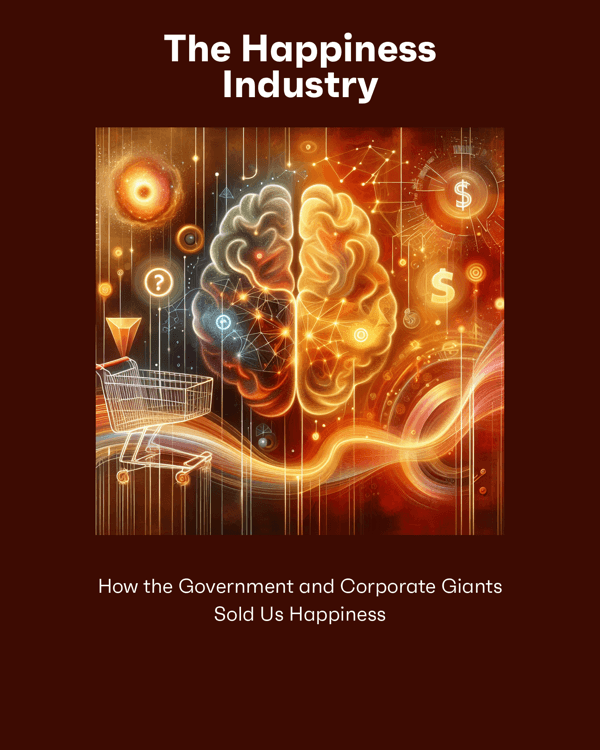
Since the 1990s, the link between money and happiness has intrigued economists and neuroscientists alike. While studies suggest wealthier individuals may be happier, neuroscience reveals that pleasurable activities, including purchases, trigger dopamine in the brain’s reward centers, influencing decision-making. This raises questions about the motives behind such research, particularly in a capitalist context where emotional well-being is increasingly commercialized. Advances in neuroscience and philosophy further support the idea that happiness can be quantified, whether through brain activity, heart rate, or financial metrics. Politicians, marketers, and employers also seek to leverage happiness for influence, productivity, and profit. Advertising taps into emotional experiences and social connections to drive consumer behavior, while companies invest in employee well-being to boost engagement and output. Meanwhile, the digital age has turned personal data into a valuable commodity, with platforms like Facebook using it to manipulate emotions and tailor ads, often without users’ awareness. These themes set the stage for deeper exploration of how happiness is measured, influenced, and commodified in modern society.
Um den Rest des Buches zu lesen, können Sie
Bitely herunterladen








 8 min
8 min 6 Bite
 Einblick
 6 Bites