Buchzusammenfassung
Carter Malkasian was the special assistant for strategy to the chairman of the Joint Chiefs of Staff from 2015 to 2019. His previous works include War Comes to Garmser and Illusions of Victory.
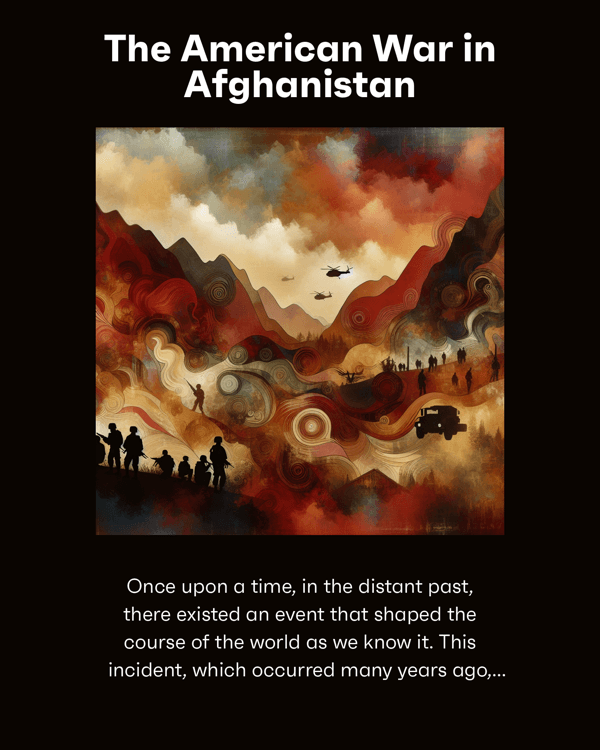
For two decades, the United States military's involvement in Afghanistan spanned multiple administrations, deeply impacting Afghan society and global affairs. Afghanistan’s complex identity, shaped by its diverse ethnic groups and challenging geography, has long resisted foreign domination, from British and Soviet invasions to the Taliban's rise in the 1990s. Despite early successes like the removal of the Taliban and efforts to rebuild under Hamid Karzai, the war devolved into a protracted conflict marked by logistical challenges, insurgent resurgence, and shifting U.S. strategies. Initiatives like Obama’s troop Surge temporarily stalled Taliban advances but came at a high cost, while Trump’s erratic leadership culminated in the 2020 Doha Agreement, setting the stage for the U.S. withdrawal under Biden in 2021. Throughout, the Taliban’s resilience, political maneuvering, and ability to exploit Afghanistan’s instability underscored the war’s enduring complexity, leaving a legacy of unfulfilled ambitions and a nation struggling to find its footing amidst political divisions, economic decline, and relentless insurgency.
Um den Rest des Buches zu lesen, können Sie
Bitely herunterladen

 14 min
 8 Bite
 Einblick


 8 Bites