
Self-Growth
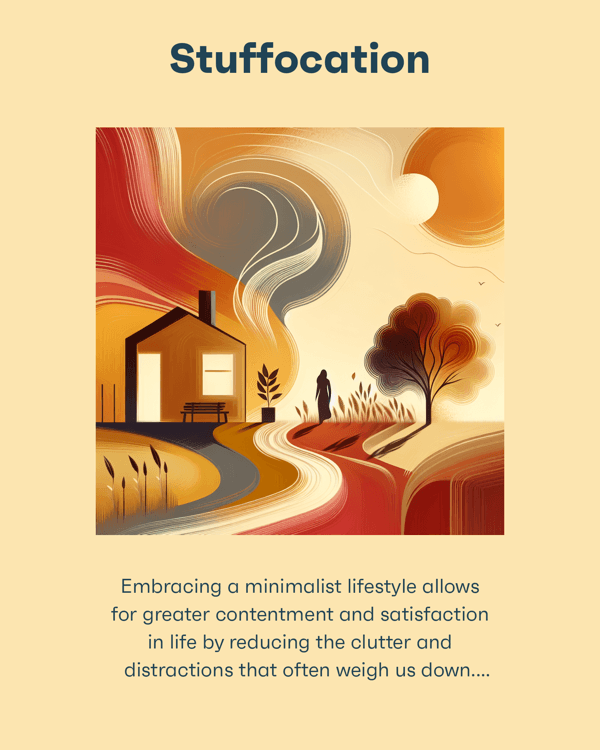
StuffocationStuffocation

Stuffocation

user-icon

James Wallman

To address the problem of stuffocation, three approaches stand out: minimalism, a simpler lifestyle, and medium chill. Minimalism involves decluttering by setting aside belongings for 21 days and keeping only what’s essential, reducing both environmental impact and the pressure to overwork. A simpler lifestyle goes further, often involving a move to the countryside and forgoing modern conveniences, though it may feel too restrictive for some. Medium chill, introduced by environmentalist David Roberts, encourages contentment with what you have, prioritizing free time over material pursuits and rejecting the relentless chase for promotions. These approaches reflect a broader cultural shift away from materialism, as people increasingly value experiences over possessions. This trend, while offering deeper fulfillment, also brings challenges like status anxiety, particularly among younger generations. Globally, experientialism is reshaping economies and policies, emphasizing well-being over GDP and fostering a new consumption model centered on meaningful experiences rather than material excess.

clock12 min
bite7 Bite
target Einblick

Worum geht es?

To tackle the modern dilemma of "stuffocation," this book explores the transformative power of minimalism, simplicity, and experientialism. It delves into how shedding excess possessions and embracing meaningful experiences can lead to greater happiness and fulfillment, challenging the outdated belief that material wealth equates to joy. With insights into societal trends, environmental impacts, and the psychology of consumption, it offers a compelling guide to rethinking priorities in an increasingly cluttered world. Whether it’s finding contentment in the present or redefining success through experiences, this book inspires a fresh perspective on living well.

Buchzusammenfassung

Futurist and best-selling author James Wallman has appeared on MSNBC and the BBC, and his opinions have been cited in publications such as Time, The Economist and The New York Times. He also wrote the futurology column in T3 magazine.

To address the problem of stuffocation, three approaches stand out: minimalism, a simpler lifestyle, and medium chill. Minimalism involves decluttering by setting aside belongings for 21 days and keeping only what’s essential, reducing both environmental impact and the pressure to overwork. A simpler lifestyle goes further, often involving a move to the countryside and forgoing modern conveniences, though it may feel too restrictive for some. Medium chill, introduced by environmentalist David Roberts, encourages contentment with what you have, prioritizing free time over material pursuits and rejecting the relentless chase for promotions. These approaches reflect a broader cultural shift away from materialism, as people increasingly value experiences over possessions. This trend, while offering deeper fulfillment, also brings challenges like status anxiety, particularly among younger generations. Globally, experientialism is reshaping economies and policies, emphasizing well-being over GDP and fostering a new consumption model centered on meaningful experiences rather than material excess.

Um den Rest des Buches zu lesen, können Sie Bitely herunterladen
appstoregoogleplayapp gallery
Alle Bissen
bite7 Bites

Breaking Free from Stuffocation: Choosing Experiences Over Excess

1
logo

Breaking Free from the Weight of Excess

2
logo

Rethinking Consumption: From Excess to Experience

3
logo

Breaking Free: Embrace Less, Live More

4
logo

Choosing Experiences Over Possessions for Fulfillment

5
logo

Living Fully: The Rise of Experientialism

6
logo

Redefining Happiness Through Experiential Living

7
logo

Verwandte Bücher

mailbox-icon

Möchten Sie weiter lernen?

Verpassen Sie keine Updates aus dem aufregenden Universum von Bitely!