Buchzusammenfassung
Timothy J. Jorgensen is a professor of radiation medicine and Director of the Health Physics Graduate program at Georgetown University. He is also the author of Spark: The Life of Electricity and the Electricity of LIfe.
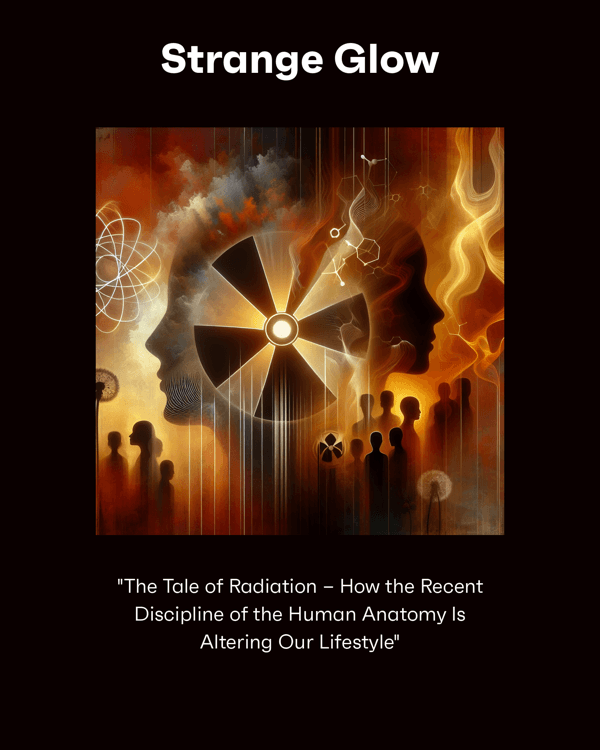
By the 1890s, medical treatments were often as deadly as the illnesses they sought to cure, with practices like mercury injections and bloodletting causing unintended fatalities. Amid this hazardous era, Emil Herman Grubbe, a Chicago physician, emerged as a trailblazer in nuclear science’s medical applications. Inspired by witnessing Edison’s light bulb demonstration at age seven, Grubbe’s fascination with innovation led him to work with Crookes tubes, pivotal in X-ray discovery. Despite suffering burns from his experiments, Grubbe’s determination caught the attention of Dr. John Gilman, who suggested using X-rays to treat tumors. Grubbe’s pioneering treatments offered pain relief and early-stage disease successes, marking a turning point in medicine. Meanwhile, advancements in radiation research, including the Curies’ work with radium and Becquerel’s discovery of nuclear radiation, revealed both transformative potential and significant risks, as seen in industrial safety failures and tragic experimentation outcomes. The dangers of ionizing radiation became evident through cases like Clarence Dally’s fatal exposure to X-rays and the devastating effects of the atomic bomb in Hiroshima, where Dr. Terufumi Sasaki witnessed radiation sickness unfold in waves, highlighting the lethal consequences of proximity to radiation. These early breakthroughs and tragedies underscored the dual-edged nature of radiation, setting the stage for its profound impact on science, medicine, and humanity’s understanding of energy.
Um den Rest des Buches zu lesen, können Sie
Bitely herunterladen








 9 min
9 min 6 Bite
 Einblick
 6 Bites