Nature & Science
Stem CellsStem Cells

Stem Cells

user-icon

Jonathan Slack

Our bodies constantly renew themselves through cell death and regeneration, though not all cells follow the same patterns. Neurons and muscle fibers stop dividing after a certain point, while expanding cells, like those in connective tissues and organs such as the liver and kidneys, divide only during childhood. Renewal cells, found in areas like the epidermis and bone marrow, actively replace dying cells throughout life. Hematopoietic stem cell transplants (HSCTs) have become critical for treating diseases like leukemia, though they remain costly and risky. Decades of research have paved the way for advancements in stem cell therapies, offering hope for conditions like Parkinson’s disease, diabetes, and spinal injuries. Stem cells, unique for their ability to self-replicate and differentiate, have revolutionized medicine, with breakthroughs like induced pluripotent stem cells enabling patient-specific treatments. However, ethical debates, particularly around embryonic stem cells, persist. Despite challenges, stem cell research continues to unlock transformative possibilities for regenerative medicine.

clock7 min
bite5 Bite
target Einblick

Worum geht es?

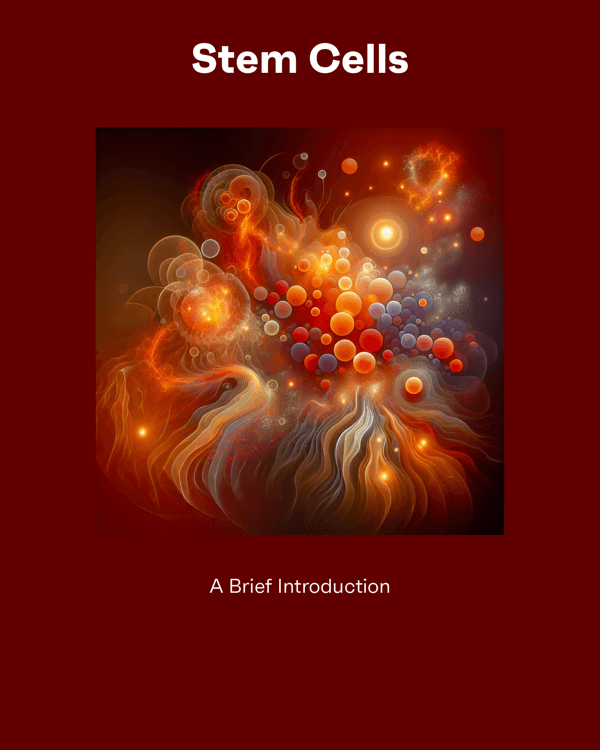
Stem cells, the unsung heroes of biology, hold the remarkable ability to self-renew and transform into specialized cell types, making them central to regenerative medicine and scientific discovery. This book delves into the fascinating world of stem cells, exploring their diverse roles in development, disease treatment, and groundbreaking therapies like hematopoietic stem cell transplants and induced pluripotent stem cells. It also examines the ethical, political, and economic challenges surrounding stem cell research while highlighting the potential for future medical breakthroughs. Through a blend of history, science, and innovation, readers are invited to uncover the transformative possibilities of this cutting-edge field.

Buchzusammenfassung

Jonathan Slack is an emeritus professor at the University of Minnesota, USA, and the University of Bath, UK. He’s published five academic books and is also the author of Genes, another book in the Very Short Introduction series.

Our bodies constantly renew themselves through cell death and regeneration, though not all cells follow the same patterns. Neurons and muscle fibers stop dividing after a certain point, while expanding cells, like those in connective tissues and organs such as the liver and kidneys, divide only during childhood. Renewal cells, found in areas like the epidermis and bone marrow, actively replace dying cells throughout life. Hematopoietic stem cell transplants (HSCTs) have become critical for treating diseases like leukemia, though they remain costly and risky. Decades of research have paved the way for advancements in stem cell therapies, offering hope for conditions like Parkinson’s disease, diabetes, and spinal injuries. Stem cells, unique for their ability to self-replicate and differentiate, have revolutionized medicine, with breakthroughs like induced pluripotent stem cells enabling patient-specific treatments. However, ethical debates, particularly around embryonic stem cells, persist. Despite challenges, stem cell research continues to unlock transformative possibilities for regenerative medicine.

Um den Rest des Buches zu lesen, können Sie Bitely herunterladen
appstoregoogleplayapp gallery
Alle Bissen
bite5 Bites

Unlocking Stem Cells: The Power to Transform

1
logo

Ethics and Breakthroughs in Stem Cell Science

2
logo

Revolutionizing Medicine Through Cloning and Stem Cells

3
logo

Unlocking the Lifelong Power of Stem Cells

4
logo

Stem Cells: Unlocking the Future of Healing

5
logo

Verwandte Bücher

mailbox-icon

Möchten Sie weiter lernen?

Verpassen Sie keine Updates aus dem aufregenden Universum von Bitely!