Buchzusammenfassung
Vaclav Smil is an interdisciplinary researcher who has authored hundreds of books and papers on energy, the environment, and population development, food production, the history of technical innovation, risk assessment, and public policy.
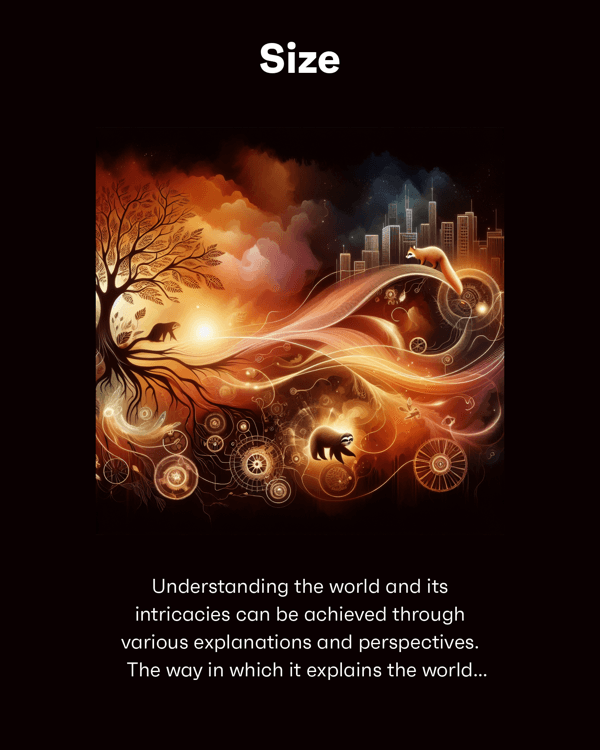
Metabolism, the cornerstone of life’s energy systems, reveals surprising complexities that challenge conventional assumptions. Max Kleiber’s 1932 discovery showed that energy demands scale with the cube root of body mass, meaning larger organisms consume less food relative to their size. However, metabolic needs are influenced by more than size—factors like age, gender, lifestyle, and species play significant roles. For instance, an Arctic fox’s metabolic rate is 2.1 times higher than a sloth’s, despite their similar weight, while human energy requirements vary widely based on activity levels and demographics. Even dietary preferences, such as favoring pigs over guinea pigs in meat production, reflect metabolic efficiency. Beyond biology, metabolism principles extend to machines and cities, where energy consumption scales in ways that mirror living systems. From jet engines to urban CO₂ emissions, these parallels highlight the intricate and interconnected nature of energy dynamics across organisms, technology, and society.
"Life’s great dichotomy is between autotrophs, organisms that can nourish themselves, and heterotrophs, or life forms that must feed on other organisms."
"Most people in affluent and middle-income countries worry about what is best to eat in order to maintain or improve their health and extend their longevity, not whether they will have enough to survive."
"Energy is the only truly universal currency, and nothing (from galactic rotations to ephemeral insect lives) can take place without its transformations."
Um den Rest des Buches zu lesen, können Sie
Bitely herunterladen









 9 min
9 min 5 Bite
 Einblick
 5 Bites