Nature & Science
Rewire Your Anxious BrainRewire Your Anxious Brain

Rewire Your Anxious Brain

user-icon

Catherine M. Pittman & Elizabeth M. Karle

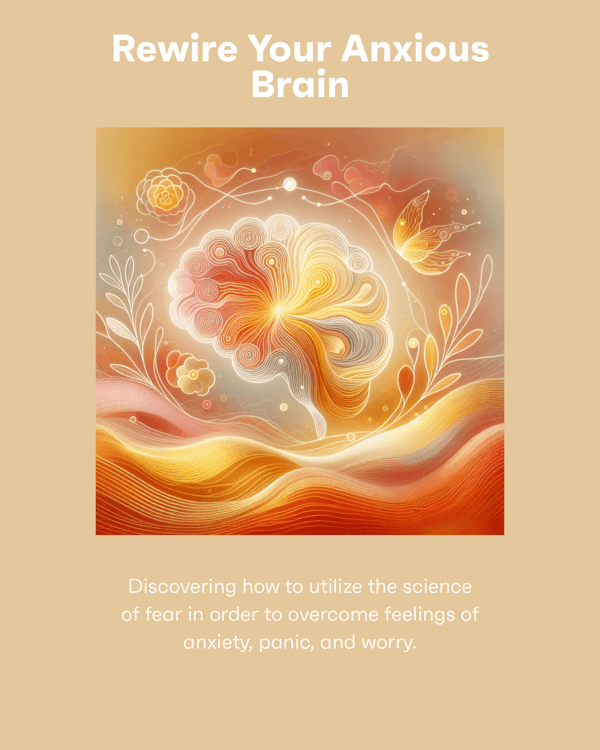
Jenny’s hesitation to open her college letter, fearing rejection, illustrates how anticipated scenarios can feel worse than reality—a concept called cognitive fusion, where thoughts are mistaken for facts. Managing such cortex-based anxiety involves cultivating skepticism toward worries, practicing mindfulness to observe thoughts objectively, and engaging in enjoyable distractions like music or games. Replacing anxious thoughts with constructive ones can also help reshape unhelpful patterns over time. While the amygdala triggers fear responses to perceived threats, even non-dangerous ones like public speaking, its emotional memories can be rewired through gradual exposure to triggers. This process, akin to adjusting to cold water, allows the amygdala to learn that these triggers are not harmful. Techniques like deep breathing, muscle relaxation, and mindful awareness during anxiety help provide corrective feedback, forming healthier neural pathways. Repetition is key to reinforcing these new pathways, ultimately reducing fear responses and fostering resilience.

clock5 min
bite4 Bite
target Einblick

Worum geht es?

Jenny’s journey captures the universal struggle of facing fears that often feel larger than life. Through her story, the book explores the intricate workings of anxiety, from the amygdala’s instinctive alarm system to the cortex’s role in overthinking and worry. It delves into practical strategies like mindfulness, exposure therapy, and cognitive reframing to help readers navigate and rewire their own anxious patterns. Blending neuroscience with relatable experiences, this engaging narrative offers both insight and tools for overcoming the grip of fear.

Buchzusammenfassung

Catherine M. Pittman, PhD, is a clinical psychologist and associate professor at Saint Mary's College. She’s a member of the Anxiety and Depression Association of America (ADAA), and offers seminars and workshops on anxiety and stress.

Jenny’s hesitation to open her college letter, fearing rejection, illustrates how anticipated scenarios can feel worse than reality—a concept called cognitive fusion, where thoughts are mistaken for facts. Managing such cortex-based anxiety involves cultivating skepticism toward worries, practicing mindfulness to observe thoughts objectively, and engaging in enjoyable distractions like music or games. Replacing anxious thoughts with constructive ones can also help reshape unhelpful patterns over time. While the amygdala triggers fear responses to perceived threats, even non-dangerous ones like public speaking, its emotional memories can be rewired through gradual exposure to triggers. This process, akin to adjusting to cold water, allows the amygdala to learn that these triggers are not harmful. Techniques like deep breathing, muscle relaxation, and mindful awareness during anxiety help provide corrective feedback, forming healthier neural pathways. Repetition is key to reinforcing these new pathways, ultimately reducing fear responses and fostering resilience.

Um den Rest des Buches zu lesen, können Sie Bitely herunterladen

appstoregoogleplayapp gallery
Alle Bissen
bite4 Bites

Rewiring Fear: Mastering the Brain’s Alarm System

1
logo

Rewiring Anxiety: Transforming Triggers into Calm

2
logo

Rewiring Anxiety: How Thoughts Shape Fear

3
logo

Rewiring Anxiety: Mastering Your Mind’s Triggers

4
logo

Verwandte Bücher

mailbox-icon

Möchten Sie weiter lernen?

Verpassen Sie keine Updates aus dem aufregenden Universum von Bitely!