Buchzusammenfassung
Richard O'Connor is a psychotherapist. He's also the former executive director of the Northwest Center for Family Service and Mental Health in Connecticut, USA.
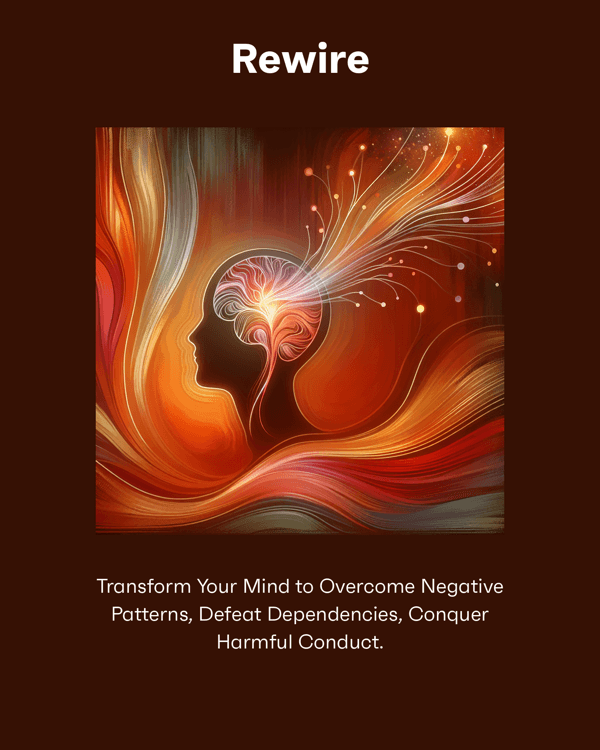
Self-destructive behaviors often act as silent cries for help, driven by suppressed emotions or ingrained habits. People may struggle to seek help directly, fearing rejection, and instead resort to subtle actions to express their needs. Negative emotions like anger, fear, and guilt, when suppressed, can manifest in harmful ways, creating a disconnect between the mindful and instinctive selves. While the mindful self relies on logic, the instinctive self operates on autopilot, often leading to regrettable actions. Reprogramming the instinctive self through mindfulness, meditation, and positive routines can help replace destructive habits. Neuroplasticity enables the brain to form new connections, reinforcing healthier behaviors over time. Addiction, often fueled by dopamine-driven cravings and deeply ingrained patterns, can create a cycle of relapse and guilt. Breaking this cycle requires associating lapses with negative emotions and reshaping brain patterns. Surrounding oneself with supportive, like-minded individuals, practicing self-control, and addressing unconscious biases can further aid in fostering lasting change and personal growth.
Um den Rest des Buches zu lesen, können Sie
Bitely herunterladen








 9 min
9 min 6 Bite
 Einblick
 6 Bites