Buchzusammenfassung
Hugh Eakin has been a regular contributor to the New York Review of Books, and is senior editor at Foreign Affairs. He’s written extensively about art and museums for such publications as the New Yorker and Vanity Fair.
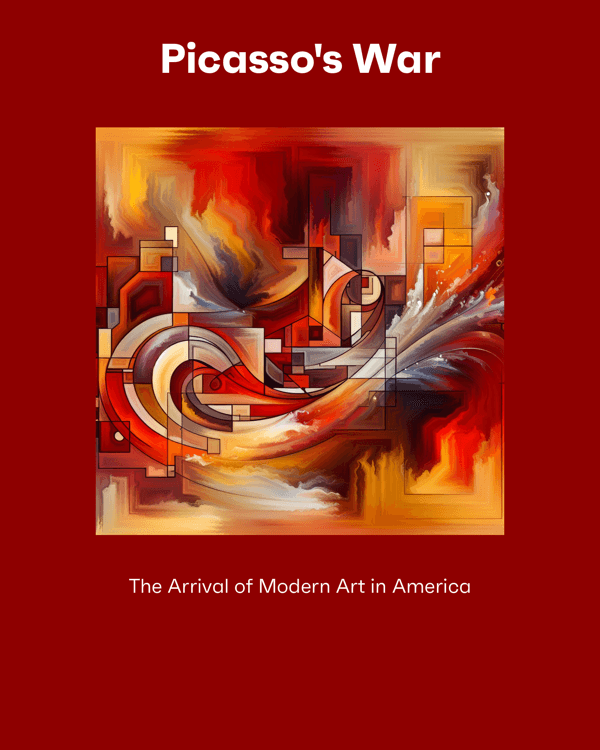
John Quinn’s journey into modern art began as a passionate hobby that quickly consumed him, driven by his belief that the Metropolitan Museum lacked essential nineteenth-century works. He envisioned his collection as the foundation for a future modern art museum. In 1913, Quinn’s influence was evident in two major contributions to the movement, particularly his role in organizing the groundbreaking Armory Show. This exhibition, held in New York, traced modern art’s evolution from Impressionism to Cubism, featuring works by Monet, Renoir, Brâncuși, and Duchamp. Despite drawing large crowds, the show faced widespread ridicule, with critics and even Theodore Roosevelt dismissing it. Quinn’s efforts to stimulate the international market for modern art were hindered by steep U.S. tariffs on foreign works, which isolated American art from global trends. However, Quinn successfully lobbied for the repeal of these tariffs, opening new opportunities for collectors and dealers. The next chapter explores how European art dealers, particularly Daniel-Henry Kahnweiler, played pivotal roles in shaping Picasso’s career and bringing modern art to prominence.
Um den Rest des Buches zu lesen, können Sie
Bitely herunterladen

 9 min
9 min 5 Bite
 Einblick


 5 Bites