Buchzusammenfassung
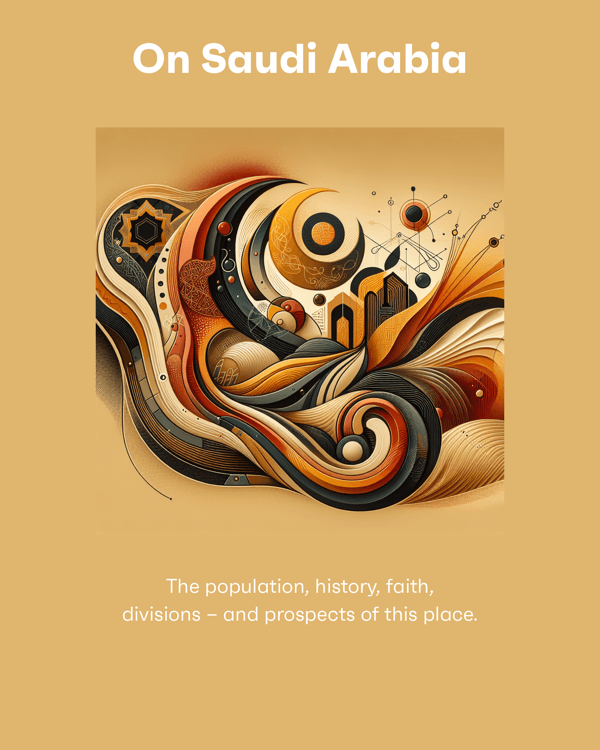
Karen Elliott House is a Pulitzer Prize-winning author. After studying journalism at the University of Texas, she became a reporter for the Wall Street Journal. She spent much of the past 35 years visiting Saudi Arabia.
Saudi Arabia presents a striking contrast to Western societies, where religious practices are often informal, and cultural norms emphasize individual freedoms. In Saudi Arabia, religion is deeply embedded in daily life, with mandatory practices like salat and strict social barriers reinforcing isolation and loyalty to the monarchy. This isolation, shaped by harsh desert conditions and tribal traditions, has historically suppressed cultural unity and dissent. However, modern technology and social media are fostering connections and enabling public critique, as seen during crises like the 2009 and 2011 flash floods. The monarchy, wielding near-absolute power, relies on oil wealth and religious influence to maintain control, but this dependence has created economic vulnerabilities, including high unemployment and poverty. Efforts to reform education and diversify the economy have faced resistance and limited success, while youth rebellion and activism, such as Feras Bugnah’s viral film, highlight growing dissatisfaction. Women’s rights have seen symbolic progress under King Abdullah, yet societal and institutional constraints persist. As Saudi Arabia grapples with these challenges, the interplay of tradition, reform, and modern influences continues to shape its future.
Um den Rest des Buches zu lesen, können Sie
Bitely herunterladen

 15 min
 8 Bite
 Einblick


 8 Bites