Psychology
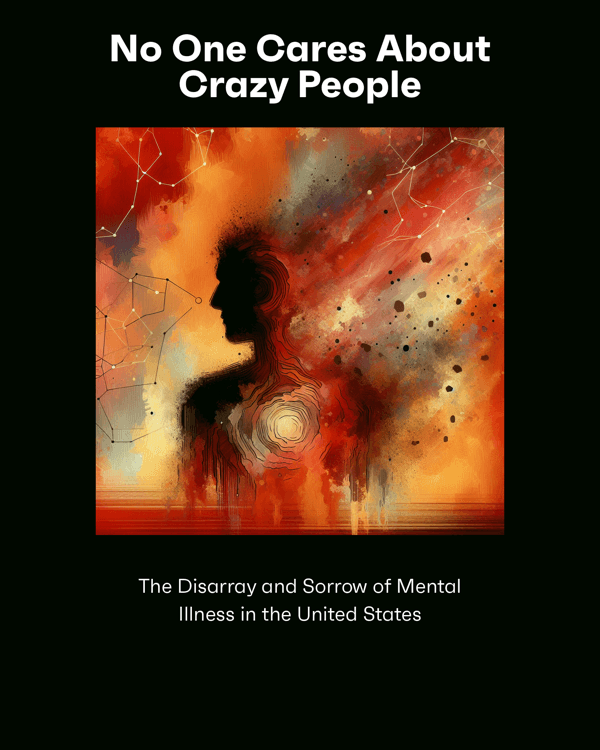
No One Cares About Crazy PeopleNo One Cares About Crazy People

No One Cares About Crazy People

user-icon

Ron Powers

The decision to release individuals with mental health conditions from institutions, though initially portrayed as compassionate, was poorly executed and led to devastating consequences, including homelessness, incarceration, and police violence. The simultaneous rise of "miracle drugs" like Thorazine falsely promised cures, while pharmaceutical companies exploited public ignorance for profit. Plans for community mental health centers, initiated by the 1963 Community Mental Health Act, were derailed by funding cuts, leaving thousands of discharged patients without support. Schizophrenia, a debilitating condition triggered by genetic and environmental factors, often goes untreated due to legal barriers influenced by Thomas Szasz's controversial views on mental illness. Early intervention, as highlighted by personal tragedies and innovative approaches like Courtney Harding's psychosocial rehabilitation, could prevent severe outcomes and reduce societal costs. Advocacy remains vital, as individuals with mental health conditions often cannot speak for themselves.

clock10 min
bite5 Bite
target Einblick

Worum geht es?

This book delves into the complex and often tragic history of mental health care in America, exploring how well-meaning policies like deinstitutionalization unraveled due to poor planning and systemic failures. It examines the devastating consequences of untreated mental illness, from homelessness and incarceration to the societal stigma that leaves many without a voice. Through deeply personal insights and compelling research, the narrative highlights the urgent need for early intervention, compassionate care, and systemic reform. A thought-provoking exploration of mental health’s hidden crisis, this work challenges readers to rethink how society supports its most vulnerable members.

Buchzusammenfassung

Ron Powers is a celebrated novelist and journalist. In 1973, he was awarded the Pulitzer Prize for Criticism, and, in 2000, he co-authored Flags of Our Fathers, a New York Times best seller. He has a deeply personal perspective on mental illness.

The decision to release individuals with mental health conditions from institutions, though initially portrayed as compassionate, was poorly executed and led to devastating consequences, including homelessness, incarceration, and police violence. The simultaneous rise of "miracle drugs" like Thorazine falsely promised cures, while pharmaceutical companies exploited public ignorance for profit. Plans for community mental health centers, initiated by the 1963 Community Mental Health Act, were derailed by funding cuts, leaving thousands of discharged patients without support. Schizophrenia, a debilitating condition triggered by genetic and environmental factors, often goes untreated due to legal barriers influenced by Thomas Szasz's controversial views on mental illness. Early intervention, as highlighted by personal tragedies and innovative approaches like Courtney Harding's psychosocial rehabilitation, could prevent severe outcomes and reduce societal costs. Advocacy remains vital, as individuals with mental health conditions often cannot speak for themselves.

Um den Rest des Buches zu lesen, können Sie Bitely herunterladen

appstoregoogleplayapp gallery
Alle Bissen
bite5 Bites

Genes, Triggers, and the Schizophrenic Mind

1
logo

Challenging Psychiatry: The Legacy of Thomas Szasz

2
logo

Unintended Fallout: The Mental Health Crisis

3
logo

Unseen Tragedy: Mental Illness and Systemic Failures

4
logo

Breaking the Silence: Advocating for Mental Health

5
logo

Verwandte Bücher

mailbox-icon

Möchten Sie weiter lernen?

Verpassen Sie keine Updates aus dem aufregenden Universum von Bitely!