Buchzusammenfassung
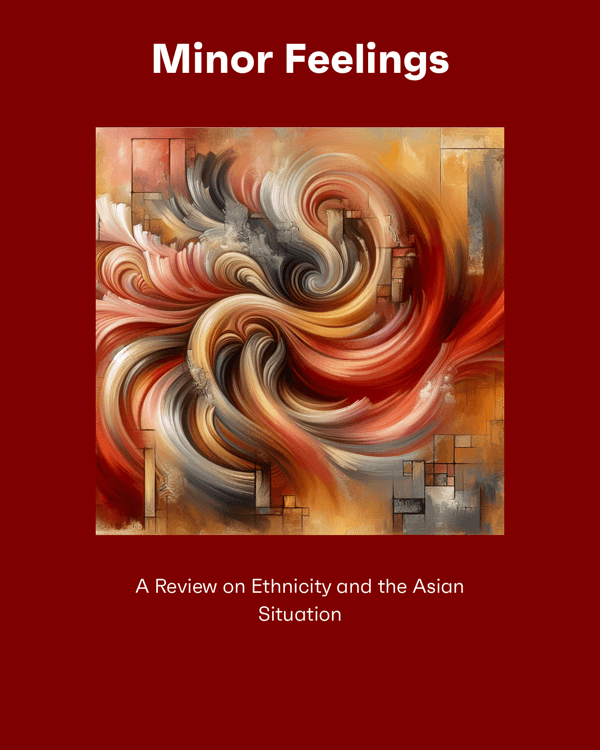
Cathy Park Hong, whose family is from Korea, has published three books of poetry and is the recipient of writing fellowships including the Windham-Campbell Prize, the Guggenheim Fellowship, and the National Endowment for the Arts Fellowship.
Hong’s journey with English, once a source of shame due to her exposure to flawed versions of the language, has evolved into a cornerstone of her literary identity. She now revels in its imperfections, using “bad English” in her poetry to challenge norms, much like the experimental art she created with her college friends, Erin and Helen. These friendships, particularly her complex bond with Helen, shaped her artistic voice, fostering a shared audacity that adulthood has since tempered. Hong’s relationship with English is deeply tied to her family’s immigrant struggles, inspiring her to experiment with tone and form, even likening her writing process to the defiance of a live octopus resisting consumption. This defiance resonates with the overlooked narratives of Asian American artists like Theresa Hak Kyung Cha, whose groundbreaking work and tragic death highlight systemic erasure. Hong reflects on the complexities of Asian American identity, shaped by historical trauma, conditional belonging, and the persistent need to prove worth in a society that often overlooks them. Her exploration of race, identity, and the weight of history underscores the contradictions and nuances of being Asian in America, setting the stage for further examination of these themes in the next chapter.
Um den Rest des Buches zu lesen, können Sie
Bitely herunterladen








 15 min
 6 Bite
 Einblick
 6 Bites