Buchzusammenfassung
Carl Jung was a Swiss psychiatrist and a towering figure in the fields of psychology and psychoanalysis. He was the founder of the discipline known as analytical psychology, and his theories have had an immense influence on modern literature, spirituality, personality studies, and the arts. Some of Jung’s other seminal works include The Theory of Psychoanalysis, Modern Man in Search of a Soul, and Psychological Types.
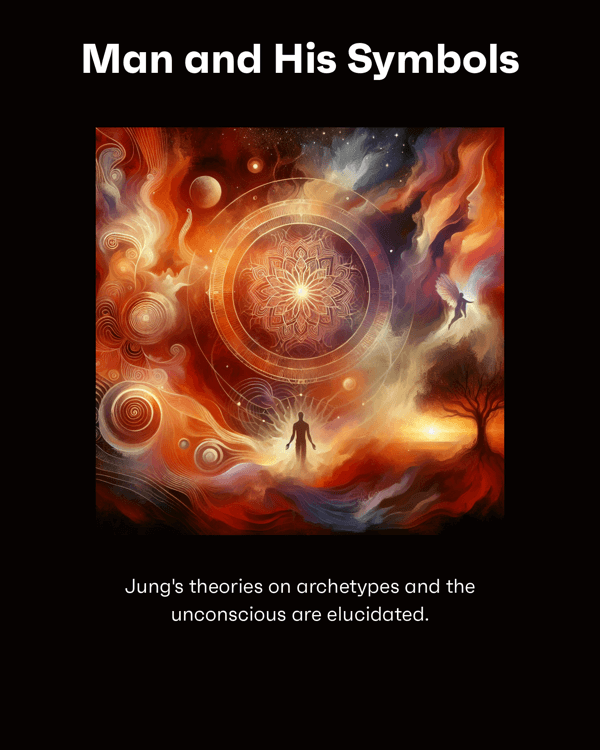
In ancient times, humanity found meaning and solace through sacred stories and symbols, which connected them to the cosmos and their subconscious. Modern rationality, while efficient, has severed this connection, leaving people yearning for the emotional depth once provided by these symbols. Carl Jung identified archetypes as universal patterns rooted in the collective unconscious, shaping myths, dreams, and art across cultures. Symbols like circles, often seen in religious and artistic contexts, reflect the psyche's relationship with nature and the Self. Archetypal narratives, such as the hero’s journey, guide personal growth and self-awareness, while dream analysis reveals the unconscious mind’s messages, offering guidance, warnings, and opportunities for transformation. By engaging with these symbols and dreams, individuals can bridge the gap between their conscious and unconscious selves, achieving wholeness and unlocking their full potential.
Um den Rest des Buches zu lesen, können Sie
Bitely herunterladen








 13 min
 8 Bite
 Einblick
 8 Bites