Buchzusammenfassung
Andrew Scull is a British sociologist who focuses on medicine and psychiatry. He is currently Professor of Sociology and Science Studies at University of California, San Diego. He also wrote Madhouse: A Tragic Tale of Megalomania and Modern Medicine.
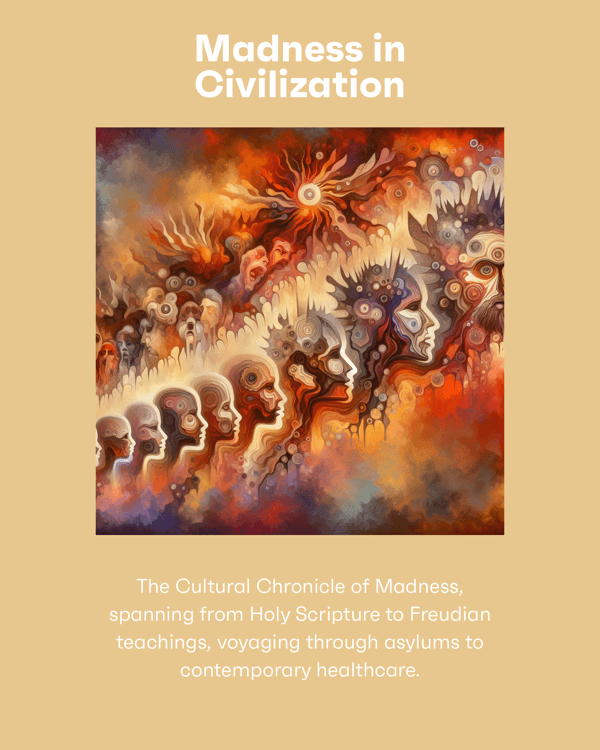
The history of mental health care reveals a long and complex journey marked by neglect, superstition, and gradual progress. Early institutions like Bedlam and unregulated madhouses subjected patients to inhumane treatment, often serving as tools for societal exclusion rather than rehabilitation. Enlightenment thinkers challenged supernatural explanations for madness, but superstitions persisted, leading to tragic events like witch hunts. Advances in philosophy and medicine during the 18th and 19th centuries introduced more compassionate approaches, such as moral treatment, and began uncovering the physiological causes of mental illness. Despite these strides, asylums became increasingly cruel, and their eventual closure in the late 20th century left many without adequate care, leading to homelessness or incarceration. The evolution of mental health care, from Freud’s psychoanalysis to modern therapies, reflects both significant progress and enduring challenges, with much work still needed to address systemic gaps and provide comprehensive support for those affected.
Um den Rest des Buches zu lesen, können Sie
Bitely herunterladen








 14 min
 9 Bite
 Einblick
 9 Bites