Buchzusammenfassung
Eric Berger is senior space editor at tech website Ars Technica. He previously worked at the Houston Chronicle and helped the paper become a Pulitzer Prize finalist in 2009 with his coverage of Hurricane Ike. A certified meteorologist, Eric founded the weather forecasting site, Space City Weather, and lives in Houston.
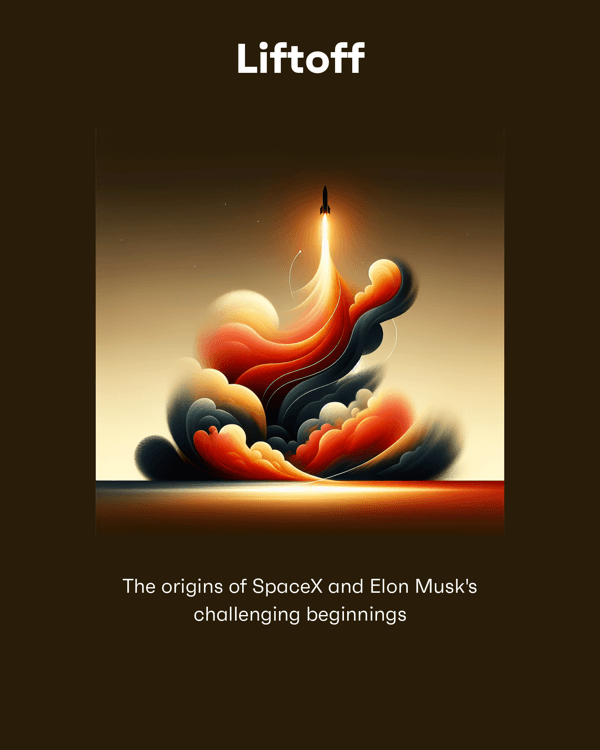
On March 24, 2006, SpaceX faced a defining moment with the launch of its first rocket, Falcon 1, from Omelek Island. Despite Elon Musk’s hands-on leadership, the attempt ended in failure as the rocket caught fire and crashed into the ocean. The setback was devastating, but the local islanders’ support inspired the team to persevere. Musk’s unconventional approach to building SpaceX—recruiting top talent like Tom Mueller and Chris Thompson, conducting direct interviews, and fostering a culture of experimentation—set the company apart from traditional aerospace firms. SpaceX’s iterative methodology allowed for rapid innovation, though it faced resistance from established players and logistical challenges, such as securing Omelek Island after being denied access to Vandenberg. Musk’s bold strategies, including showcasing Falcon 1 in Washington, D.C., and challenging NASA’s decisions, demonstrated his determination to disrupt the stagnant industry. Despite initial skepticism from experts wary of past failures like AMROC, SpaceX pressed on after three failed launches. The critical fourth attempt in 2008 overcame immense obstacles, including a near-catastrophic transport issue, and succeeded in achieving orbit. This milestone marked the realization of Musk’s vision, cementing SpaceX’s place in space exploration history.
Um den Rest des Buches zu lesen, können Sie
Bitely herunterladen








 8 min
8 min 7 Bite
 Einblick
 7 Bites